


1. Emphasis on Digital Equality

With the digital revolution transforming lives, ensuring equitable access to technology and the internet has become a critical focus. Initiatives to bridge the digital divide, especially in rural areas, aim to provide equal opportunities for education, healthcare, and employment through technology.
2. Advancing Gender Justice
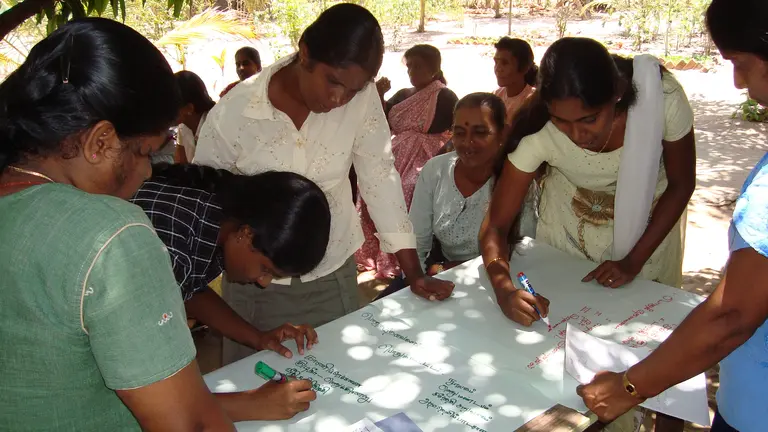
Efforts to promote gender equality are gaining momentum with new policies addressing workplace harassment, equal pay, and representation of women in leadership roles. Movements advocating for legal reforms on marital rape and same-sex marriage reflect evolving societal norms.
3. Rights of Marginalized Communities
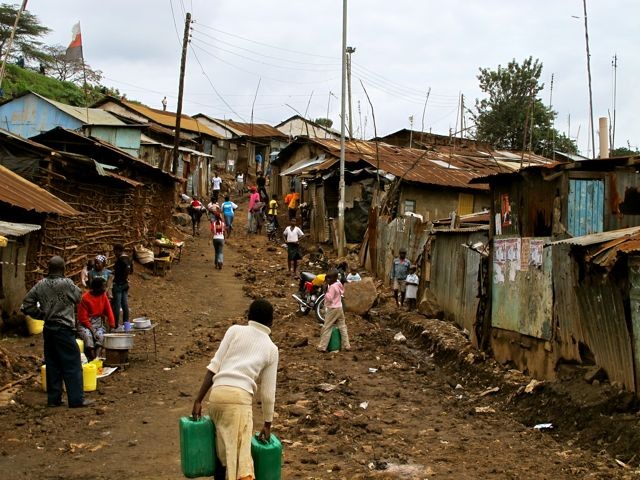
Special attention is being given to Scheduled Castes, Scheduled Tribes, and other marginalized groups. Programs like skill development initiatives, scholarships, and land rights protection aim to empower these communities economically and socially.
4. Climate Justice as a Human Right

Climate change is increasingly recognized as a human rights issue. Efforts to protect vulnerable populations from environmental degradation and ensure sustainable development are central to the social justice mission. Indian courts and environmental activists are playing a crucial role in this domain.
5. Child Rights and Education
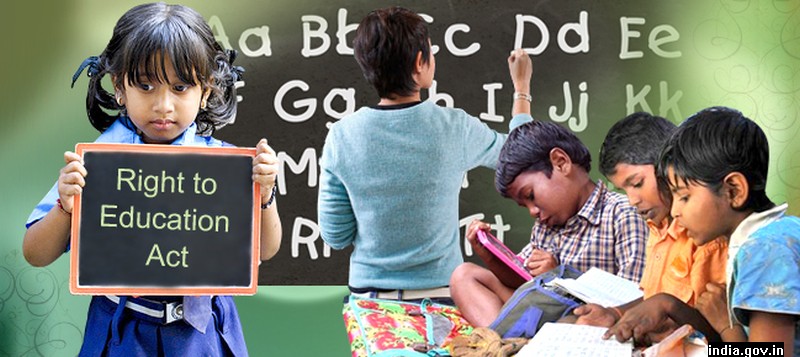
Strengthening child rights through improved education access and measures to combat child labor remains a priority. Digital learning initiatives and midday meal schemes have seen expansions to ensure every child’s right to education and nutrition.
6. Labor Rights and Informal Workers
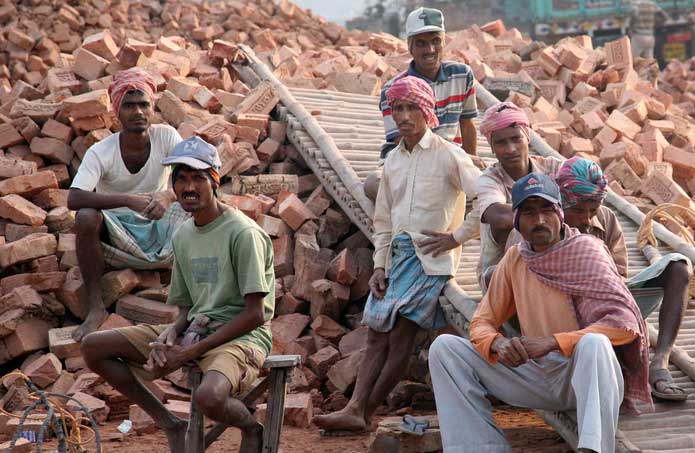
The pandemic highlighted the vulnerabilities of informal sector workers. New labor codes aim to provide better social security and working conditions for these workers, ensuring they have a safety net during crises.
7. Focus on Mental Health and Well-being

Mental health has become a significant aspect of human rights, with initiatives focusing on destigmatizing mental illnesses and increasing access to affordable mental health services. Policies promoting workplace mental health are also gaining traction.
8. Legal Reforms for Justice Accessibility

Simplifying legal processes and enhancing access to justice for marginalized communities is a key trend. The use of technology, such as e-courts and virtual hearings, aims to reduce delays and ensure transparency in the justice system.
9. Protection of Refugee and Migrant Rights
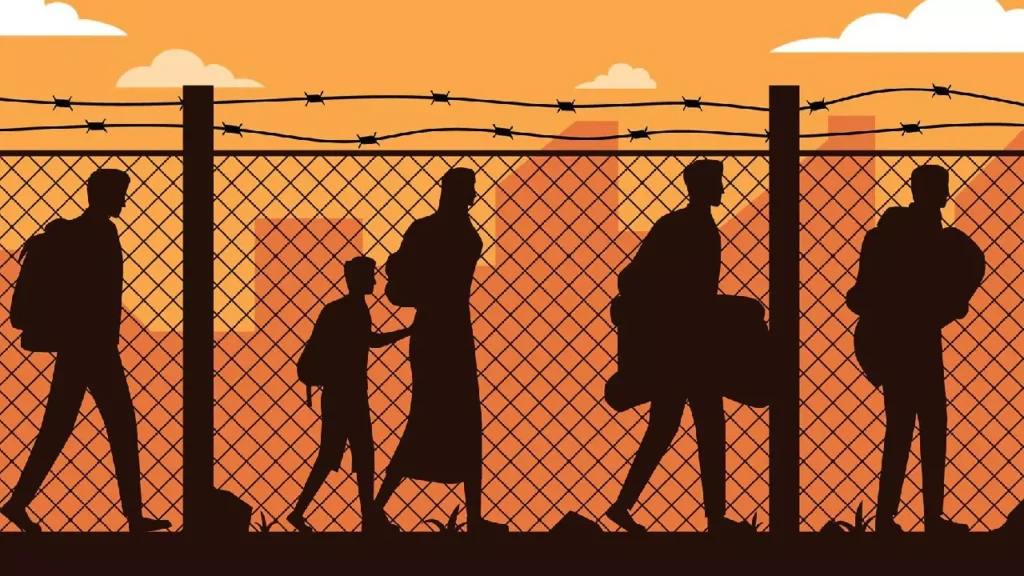
Advocacy for humane treatment of refugees and migrants, including the Rohingya and internally displaced persons, is growing. Efforts focus on providing legal status, education, and healthcare to displaced populations.
10. Strengthening Grassroots Movements
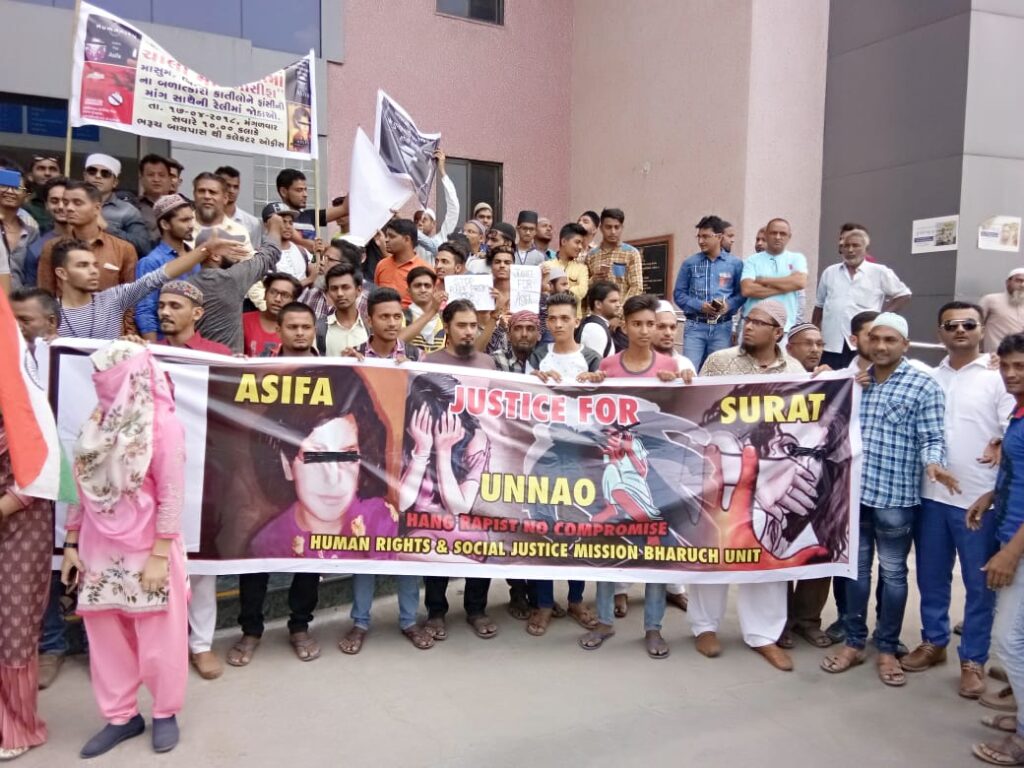
Grassroots activism continues to play a vital role in advocating for social justice. Local NGOs and community organizations are addressing issues like caste discrimination, gender-based violence, and access to basic amenities.
The Road Ahead

The human rights and social justice mission in India is at a critical juncture. With collaborative efforts from governments, civil society, and individuals, there is hope for a more equitable and inclusive society. Embracing technology, legal reforms, and community empowerment will be key to addressing the challenges ahead and ensuring justice for all.

