


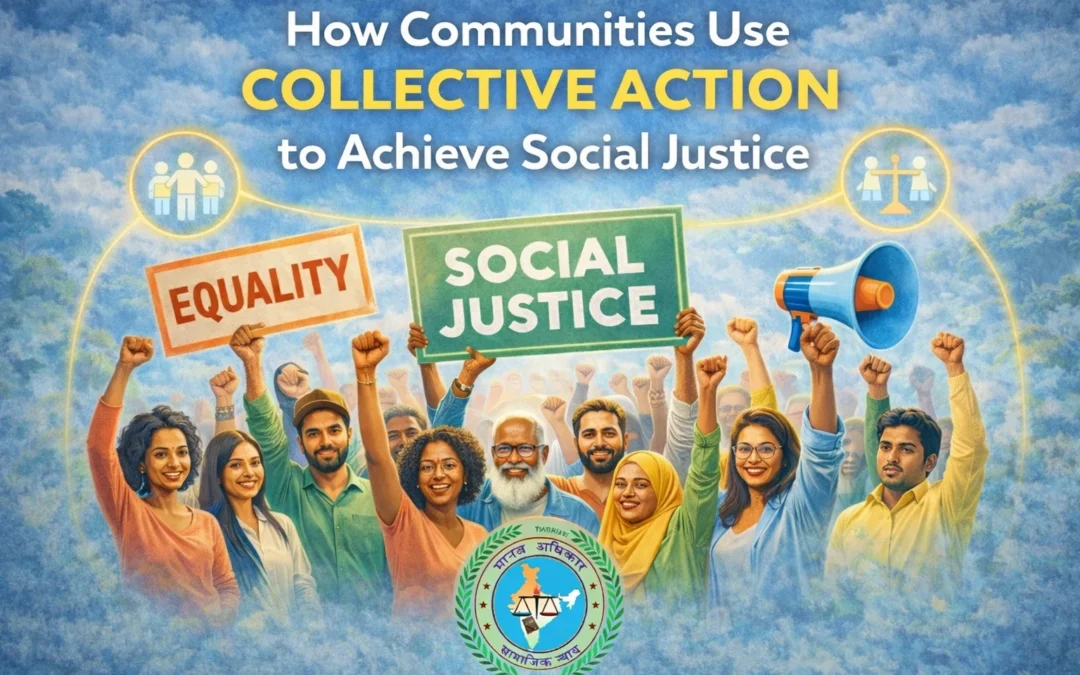
Communities have always been the backbone of social change. When individuals unite, their collective action can challenge injustice, promote equality, and create long-lasting impact. From grassroots movements to local campaigns, communities play a pivotal role in driving social justice initiatives that governments or organizations alone cannot achieve.
Understanding how communities organize, mobilize, and sustain efforts helps anyone interested in activism to make a meaningful difference. This guide explores the strategies, benefits, and real-life examples of collective action for social justice, offering practical tips to get involved and amplify impact.
What Is Collective Action in Social Justice?
Collective action refers to coordinated efforts by a group of people working together to address a shared problem or fight for a common cause. In the context of social justice, this means communities organizing to:
- Advocate for equal rights and opportunities
- Address discrimination and inequality
- Influence policies and social systems
- Protect vulnerable populations
Unlike individual activism, community-driven initiatives have the power to create visibility, pressure authorities, and sustain momentum for long-term change. The principle is simple: united voices are louder, stronger, and harder to ignore.
Why Community Involvement Matters
Communities bring unique strengths to social justice campaigns:
- Local Knowledge: Residents understand the issues on the ground better than external agencies.
- Trust and Relationships: Community members can engage people more effectively and inspire participation.
- Sustainable Impact: When solutions are built from within, they are more likely to last.
- Amplified Voice: Coordinated action draws media attention and policymaker interest.
Whether it’s environmental justice, gender equality, or human rights advocacy, community involvement ensures that the solutions are inclusive, relevant, and actionable.
Steps Communities Can Take to Drive Real Social Change
Step 1: Identify the Core Issue
Start by pinpointing the main challenge your community wants to address. Use surveys, town meetings, or local discussions to collect perspectives and identify urgent problems. A clear understanding ensures the collective action targets real and meaningful issues.
Step 2: Build a Committed Team
Successful community action relies on committed members who are ready to take consistent steps. Include people with diverse skills: organizing, fundraising, communications, and advocacy. A collaborative team strengthens planning and execution.
Step 3: Develop a Strategic Plan
A plan defines goals, timelines, and responsibilities. Map out activities such as awareness campaigns, workshops, petitions, or social media drives. Use measurable objectives to track progress and celebrate milestones.
Step 4: Mobilize Support
Engage other community members and local organizations. Use social media, local events, or partnerships to build momentum. The more voices that join, the stronger the collective action, making it harder for authorities or decision-makers to ignore.
Step 5: Monitor and Adapt
Continuous assessment helps ensure efforts are effective. Collect feedback, track results, and adjust strategies when needed. Flexibility and learning from mistakes are key to achieving real social justice outcomes.
Examples of Community Action Driving Social Justice
Real-life examples show the power of collective action:
- Human Rights Movements: Communities have come together to campaign against systemic abuse and promote equality, as seen in HRSJM’s impactful work.
- Environmental Campaigns: Local groups have stopped illegal deforestation and promoted sustainable practices.
- Gender Equality Initiatives: Women’s collectives have worked to prevent domestic violence and improve access to education.
These examples illustrate that when communities unite, they can overcome obstacles that individual voices alone cannot.
Tips for Effective Community Action
- Engage the Whole Community: Include youth, elders, and marginalized voices.
- Leverage Technology: Social media campaigns and online petitions amplify reach.
- Document Your Efforts: Keep records of meetings, actions, and outcomes for accountability.
- Collaborate with Organizations: NGOs, local authorities, and media partners can provide resources and visibility.
- Stay Consistent: Long-term commitment is critical to seeing meaningful change.
By following these tips, communities can maximize their impact and ensure that their collective action creates real, sustainable results.
Challenges in Community-Led Social Justice Efforts
While powerful, community action can face obstacles:
- Limited Resources: Funding and manpower may be scarce.
- Internal Conflicts: Diverse perspectives can lead to disagreements if not managed carefully.
- Resistance from Authorities: Communities may encounter pushback or legal challenges.
- Sustainability Issues: Maintaining momentum over time can be challenging.
Overcoming these challenges requires strategic planning, strong leadership, and support from allies who share the vision for social justice.
The power of collective action lies in the ability of communities to unite, organize, and create lasting social impact. When communities take charge, they amplify voices, influence policy, and ensure that change is both meaningful and sustainable.
Anyone interested in social justice can contribute by learning from successful community campaigns, joining local initiatives, or even starting a small group focused on a pressing issue. Remember, every voice counts, but together, communities can drive real transformation.
If you want to learn more about formal ways to protect human rights, including filing complaints and supporting vulnerable populations, visit Human Rights Complaint Portal.