
Children’s Rights
Every child has the right to survival, development, protection and participation. Know about children's rights, the laws that protect them, and how to seek support.
OVERVIEW
What are Children’s Rights?
Children's rights are the basic human rights that ensure every child can grow up in a safe, healthy, and supportive environment. These rights protect children from abuse, exploitation, discrimination and neglect, and ensure access to education, healthcare, nutrition and a dignified life. Every child, regardless of their background, has the right to survival, development, protection and participation.
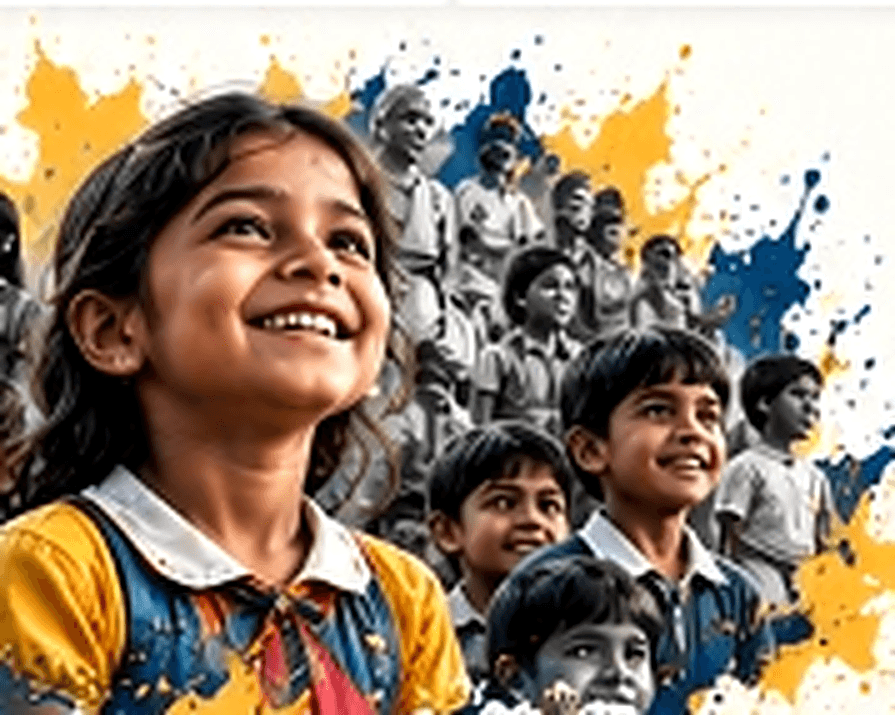
Every child deserves a safe childhood, a fair chance and a brighter tomorrow. Protecting children’s rights builds a stronger, more compassionate and just society.
KEY CHILDREN’S RIGHTS
Core Rights Include
Right to Survival
Access to basic needs like food, shelter and healthcare.
Right to Education
Quality and inclusive education for every child.
Right to Protection
Protection from abuse, exploitation, violence and neglect.
Right to Health
Access to healthcare, nutrition and mental well-being.
Right to Equality
No discrimination based on caste, religion, gender or disability.
Right to Participation
To express their views in matters that affect them.
Right to a Safe and Nurturing Home
Care, love and a safe environment to grow.
Right to be Free from Child Labour
Protection from hazardous work and exploitation.
IMPORTANT LAWS & DOCUMENTS
Key Indian Laws for Children’s Rights
The Constitution of India (Articles 21, 21A, 24, 39, 45)
The Right of Children to Free and Compulsory Education Act, 2009
The Juvenile Justice (Care and Protection of Children) Act, 2015
The Protection of Children from Sexual Offences (POCSO) Act, 2012
The Child Labour (Prohibition and Regulation) Act, 1986
The Prohibition of Child Marriage Act, 2006
The National Food Security Act, 2013
The National Policy for Children, 2013
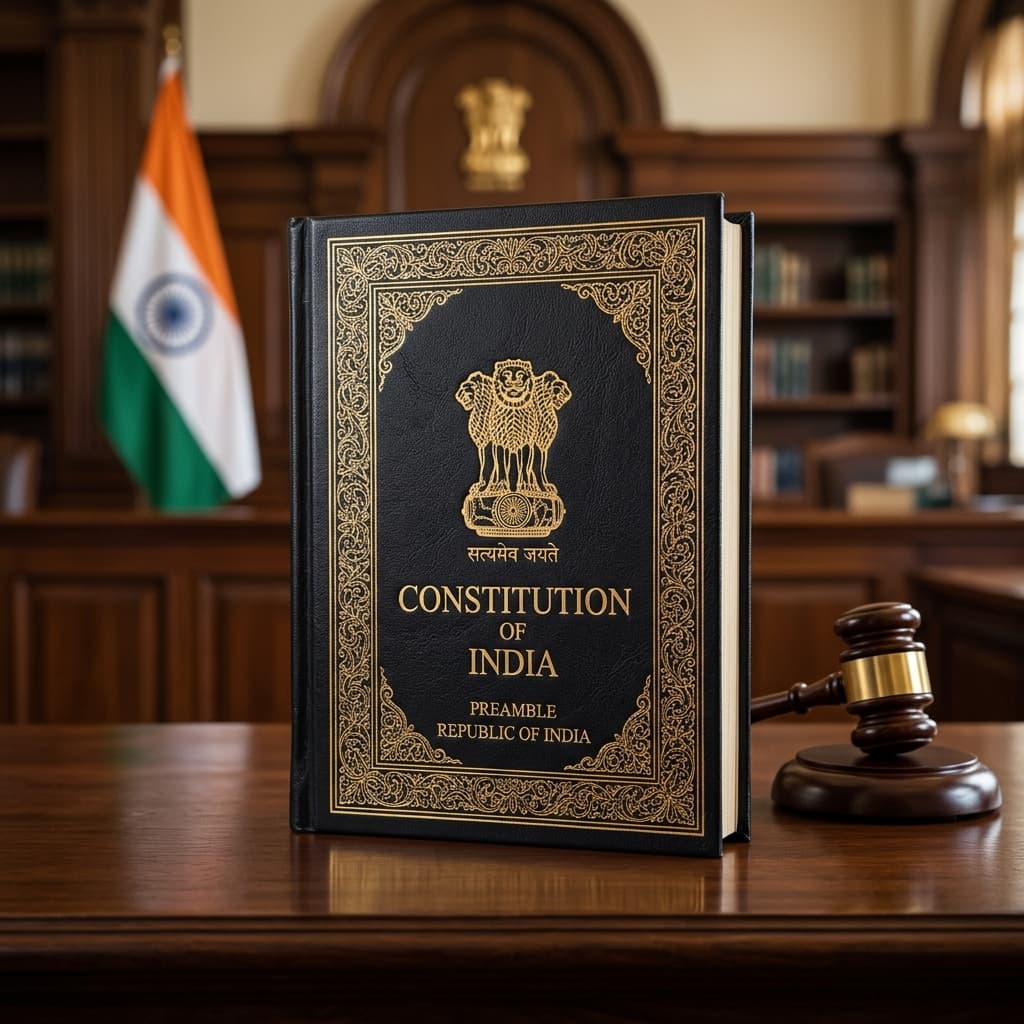
RELATED TOPICS
Essential areas of child welfare and legal protection in India.
- Child Abuse and Protection
- Child Labour
- Child Marriage
- Education and School Safety
- Health and Nutrition
- Adoption and Foster Care
- Children with Disabilities
- Juvenile Justice System
- Online Safety and Cyber Protection
- Special Protection for Vulnerable Children
CASE LAWS & EXAMPLES
Milestone Rulings in Child Rights
M.C. Mehta v. State of Tamil Nadu (1996)
Directed the abolition of child labour in the hazardous match and fireworks factories of Sivakasi, establishing the Child Labour Rehabilitation-cum-Welfare Fund.
Mandated employers to pay fines per child employed and directed state governments to provide adult employment to affected families.
Bachpan Bachao Andolan v. Union of India (2011)
Mandated registration of FIRs immediately upon report of missing children, treating all missing children as potential victims of trafficking until proven otherwise.
Established the national tracking portal TrackChild and strengthened anti-human trafficking units.
Independent Thought v. Union of India (2017)
Read down Exception 2 to Section 375 of IPC, holding that sexual intercourse with a minor wife below 18 years is rape.
Closed a dangerous legal loophole, protecting underage brides from statutory marital sexual abuse.
FREQUENTLY ASKED QUESTIONS
Common Questions on Children’s Rights
Children's rights are basic human rights guaranteeing every boy and girl the right to survive, grow, learn, play, and be protected from violence, abuse, and hazardous exploitation.
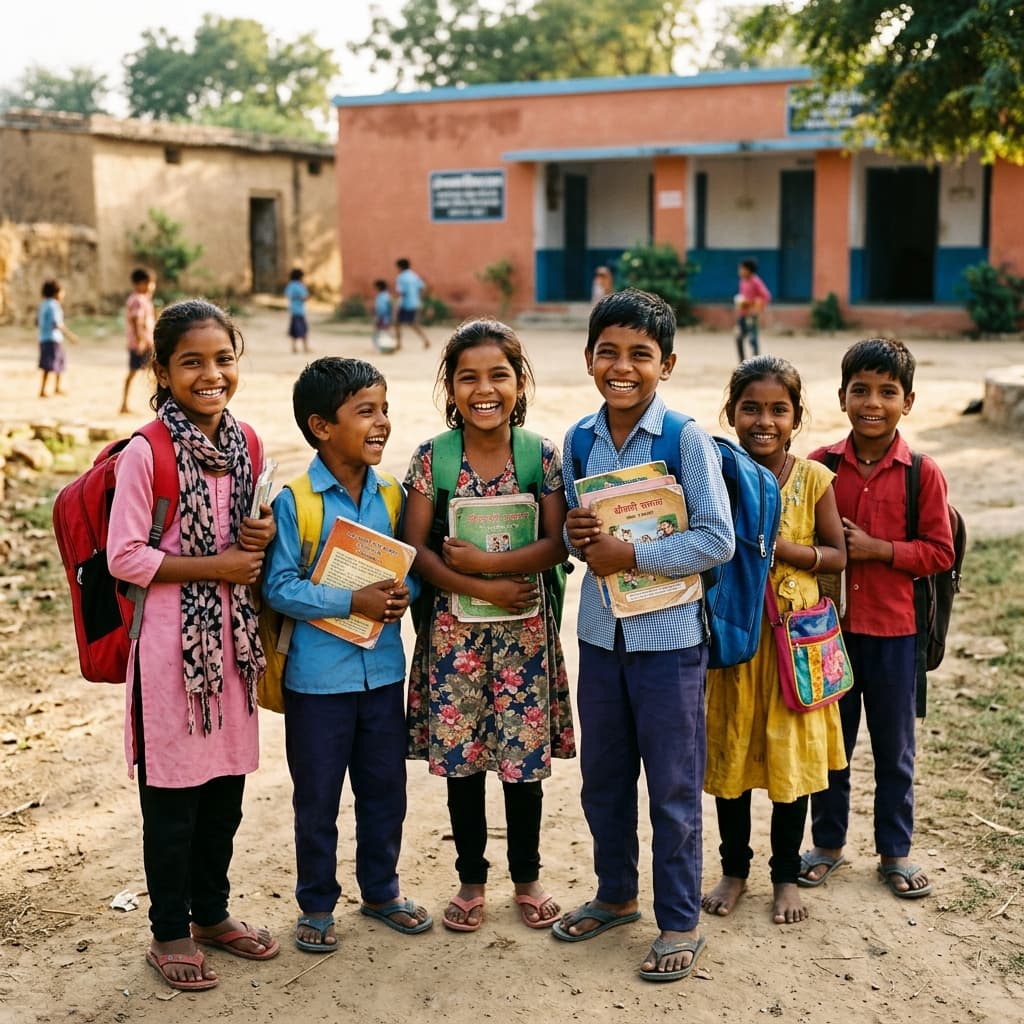
“Safe Children Stronger Communities Brighter Futures.”
HELPFUL RESOURCES
- Ministry of Women and Child Development
- National Commission for Protection of Child Rights (NCPCR)
- Childline 1098 (24x7 Help)
- POCSO e-Box (Report Online)
- Juvenile Justice Services
- National Child Labour Project (NCLP)
- Educational Resources and Guides
- NGOs and Support Organizations
- Case Studies and Judgments
- Important Links
Let's Protect Our Children, Build a Better India
Join hands to support children's rights, create safe communities, and give every child the opportunity to learn, grow and thrive.