
Civil Liberties
Civil liberties protect the essential freedoms and individual choices that allow people to live with dignity, safety and autonomy. They safeguard personal liberty, privacy, movement, association and other freedoms that are vital for a democratic society.
OVERVIEW
What are Civil Liberties?
Civil liberties are fundamental freedoms and rights that protect individuals from arbitrary interference by the State and ensure autonomy in personal life. These liberties allow people to live freely, make personal choices, move, associate, and participate in society without unreasonable restrictions, while respecting the rights of others and the law.
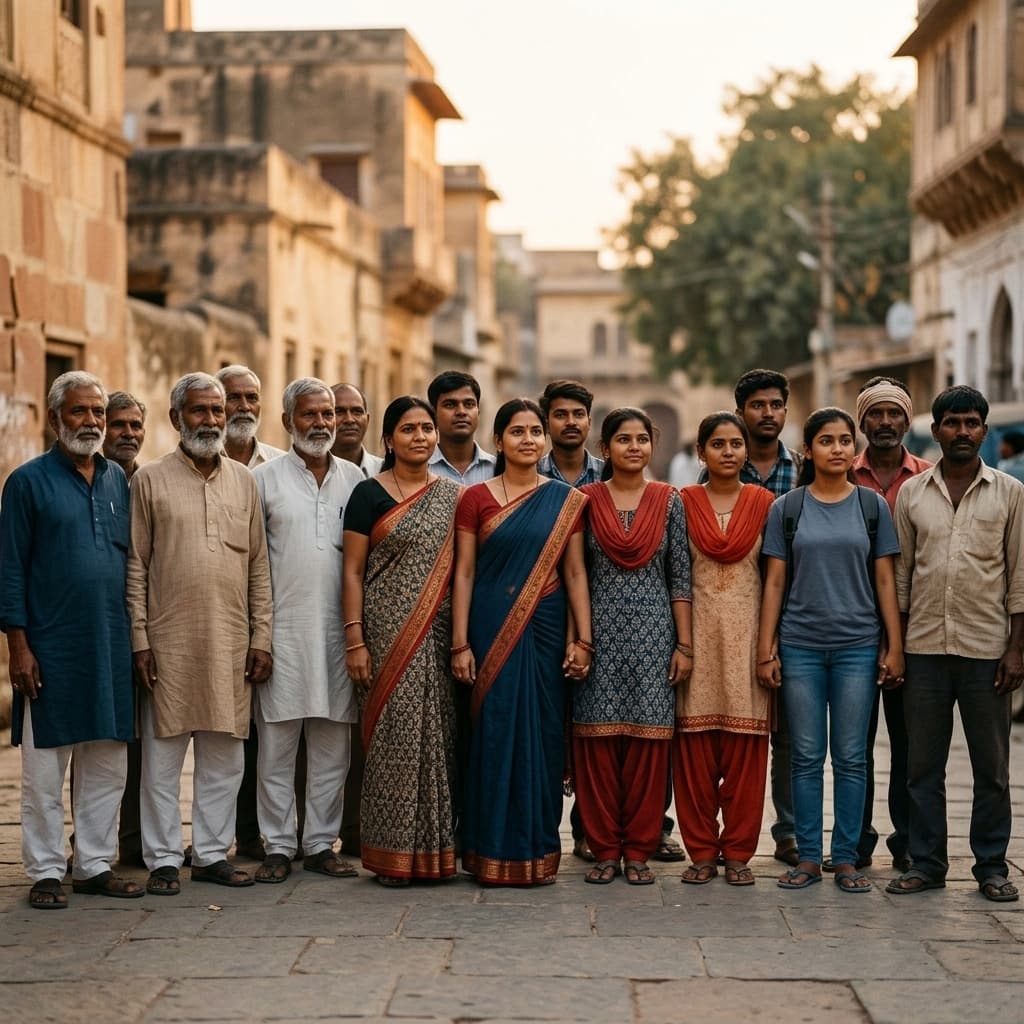
Civil liberties give people the space to think, choose, express and live freely. A society that protects civil liberties builds a stronger, fairer and more democratic India.
KEY CIVIL LIBERTIES
Core Civil Liberties Include
Right to Personal Liberty
Freedom from arbitrary detention and live freely.
Right to Privacy
Control over personal information and private life.
Freedom of Movement
Move freely within India and travel abroad.
Freedom of Association
Form and join groups, organisations and unions.
Freedom of Thought and Expression
Hold and express opinions without fear.
Freedom of Lifestyle and Personal Choice
Make personal choices about life, relationships and profession.
Protection from Unlawful Surveillance
Protection from unreasonable monitoring and state overreach.
Right to Fair Procedure
Protection through fair and just legal process.
IMPORTANT LAWS & DOCUMENTS
Key Indian Laws Related to Civil Liberties
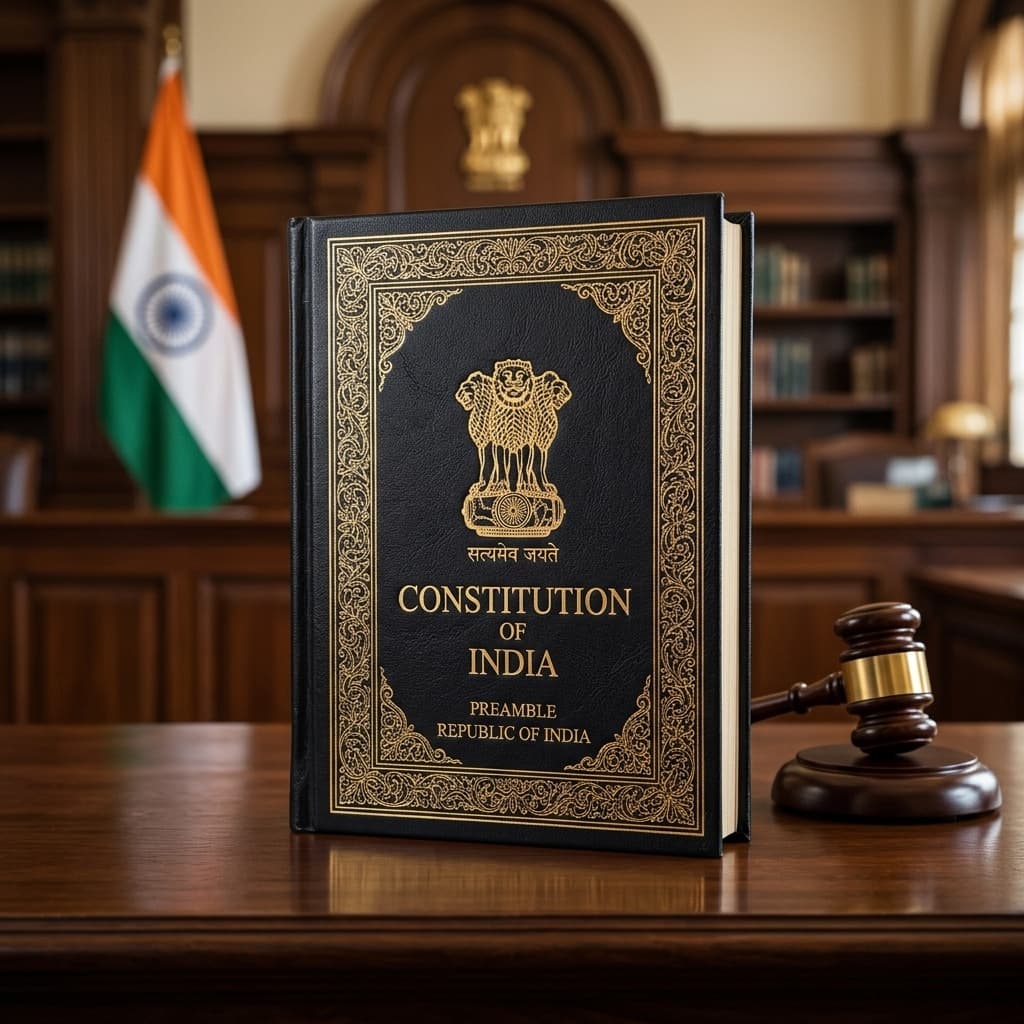
Constitution of India – Article 19 (Fundamental Freedoms)
Constitution of India – Article 21 (Right to Life and Personal Liberty)
Constitution of India – Article 22 (Protection from Arbitrary Arrest)
The Right to Privacy Judgement (K.S. Puttaswamy v. Union of India)
Information Technology Act, 2000 (relevant provisions)
Indian Telegraph Act, 1885 (relevant provisions)
The Bharatiya Nyaya Sanhita, 2023 (relevant provisions)
RELATED TOPICS
Core themes and legal areas connected with civil liberties in India.
- Right to Privacy
- Surveillance and Data Protection
- Freedom of Movement
- Freedom of Association
- Freedom of Religion and Belief
- Peaceful Assembly and Protest
- Reasonable Restrictions
- Preventive Detention
- Due Process and Fair Trial
- Landmark Judgments
CASE LAWS & EXAMPLES
Landmark Civil Liberties Decisions
Justice K.S. Puttaswamy v. Union of India (2017)
Unanimously affirmed that the Right to Privacy is an intrinsic part of the Right to Life and Personal Liberty under Article 21.
Revolutionized digital data privacy, informational autonomy, and personal dignity safeguards across India.
A.D.M. Jabalpur v. Shivkant Shukla (1976 / Overruled in 2017)
Justice H.R. Khanna's lone, legendary dissent upholding Habeas Corpus during the Emergency was officially vindicated when the 9-judge bench in Puttaswamy overruled the majority judgment.
Cemented that the Right to Life and Liberty can NEVER be extinguished by the state, even in an emergency.
Anuradha Bhasin v. Union of India (2020)
Ruled that access to the Internet is constitutionally protected under Article 19(1)(a) and indefinite internet shutdowns are unlawful.
Mandated transparency, proportionality, and periodic review for any executive suspension of telecommunications.
FREQUENTLY ASKED QUESTIONS
Common Questions on Civil Liberties
Civil liberties are fundamental individual guarantees and freedoms that the government is restrained from violating, ensuring people can live with personal autonomy, dignity, and freedom from arbitrary state control.
“A society that respects civil liberties empowers every individual to reach their potential.”
HELPFUL RESOURCES
- Constitution of India (PDF)
- Ministry of Home Affairs
- National Human Rights Commission
- National Legal Services Authority (NALSA)
- Privacy and Data Protection Resources
- Civil Liberties Organizations
- Awareness Materials and Guides
- Helplines & Support Services
- Case Studies and Judgments
- Important Links
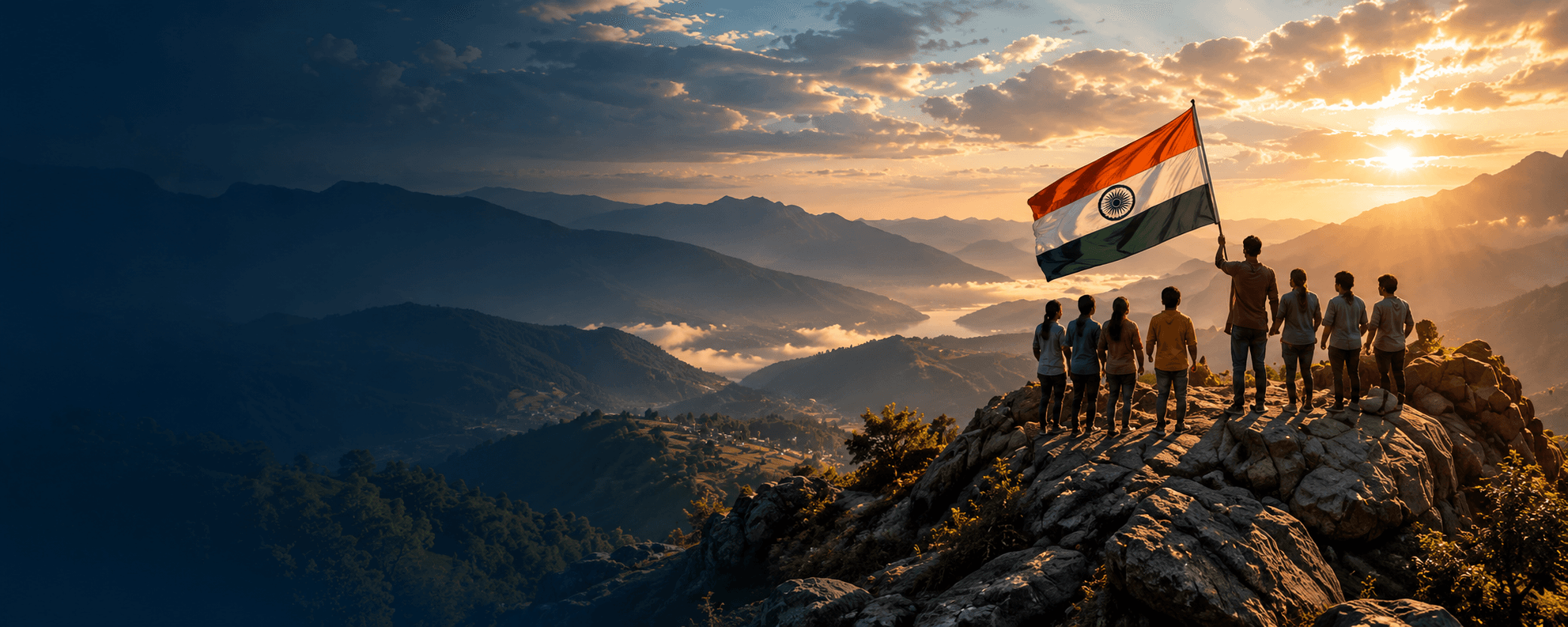
Protect Civil Liberties, Strengthen Democracy
Awareness, legal support and community action can help protect civil liberties and build a more just and inclusive India.