
Civil Rights
Civil rights protect individuals from discrimination and ensure equal opportunities in society. Know about your civil rights and how to protect them.
OVERVIEW
What are Civil Rights?
Civil rights are the rights and freedoms that protect individuals from discrimination and ensure equal treatment under the law irrespective of caste, religion, gender, race, language, or social status. These rights ensure every person can live with dignity, fairness and equal opportunities in all areas of life.

Equal rights, equal opportunities and equal respect for every individual build a stronger and fairer society.
KEY CIVIL RIGHTS
Core Civil Rights Include
Right to Equality and Non-Discrimination
Universal protection against discrimination in government, commerce, and public life.
Equal Protection Under Law
Every individual is entitled to the same legal safeguards and fair treatment.
Right to Public Services
Unrestricted access to schools, healthcare facilities, roads, transport, and community infrastructure.
Right to Freedom of Movement
The freedom to travel, reside, and establish oneself anywhere across the country.
Right to Vote
Equal, secret-ballot adult suffrage to elect political representatives.
Freedom of Expression
Unfettered civil dialogue, peaceful assembly, public grievance redressal, and civic petitioning.
Right to Fair Trial
Presumption of innocence, timely trial, access to legal defense counsel.
Equal Opportunity in Education and Employment
Prohibition of bias in hiring, fair wages, promotions, and university admissions.
IMPORTANT LAWS & DOCUMENTS
Key Indian Laws Related to Civil Rights
Constitution of India (Fundamental Rights & Equality Provisions)
The Protection of Civil Rights Act, 1955
The Right to Information Act, 2005
The Scheduled Castes and Scheduled Tribes (Prevention of Atrocities) Act, 1989
Other Relevant Acts and Government Policies
RELATED TOPICS
Key civic themes and areas of public interest advocacy handled by HRSJM.
- Equality and Non-Discrimination
- Access to Justice
- Police and Public Services
- Voting Rights
- Legal Aid and Support
- Case Studies and Judgments
CASE LAWS & EXAMPLES
Landmark Civil Rights Decisions
State of Madras v. Champakam Dorairajan (1951)
Led to the historic First Constitutional Amendment adding Article 15(4) allowing special affirmative action provisions for socially and educationally backward classes.
Laid the legal bedrock for caste equality and reservations in Indian education and employment.
Indra Sawhney v. Union of India (1992)
Upheld 27% reservation for Other Backward Classes (OBCs) while enforcing a 50% cap on total reservations and introducing the creamy layer exclusion.
Defined the constitutional framework of substantive equality versus formal equality in India.
PUCL v. Union of India (Right to Food & NOTA, 2013)
Directed the Election Commission of India to introduce the 'None of the Above' (NOTA) option on electronic voting machines.
Strengthened voters' democratic right to register civic dissent and reject candidates in elections.
FREQUENTLY ASKED QUESTIONS
Common Questions on Civil Rights
Civil rights are legal entitlements that protect citizens against unequal treatment, discrimination, or infringement of their personal liberties by government institutions, private entities, or other individuals based on characteristics like caste, race, religion, or gender.
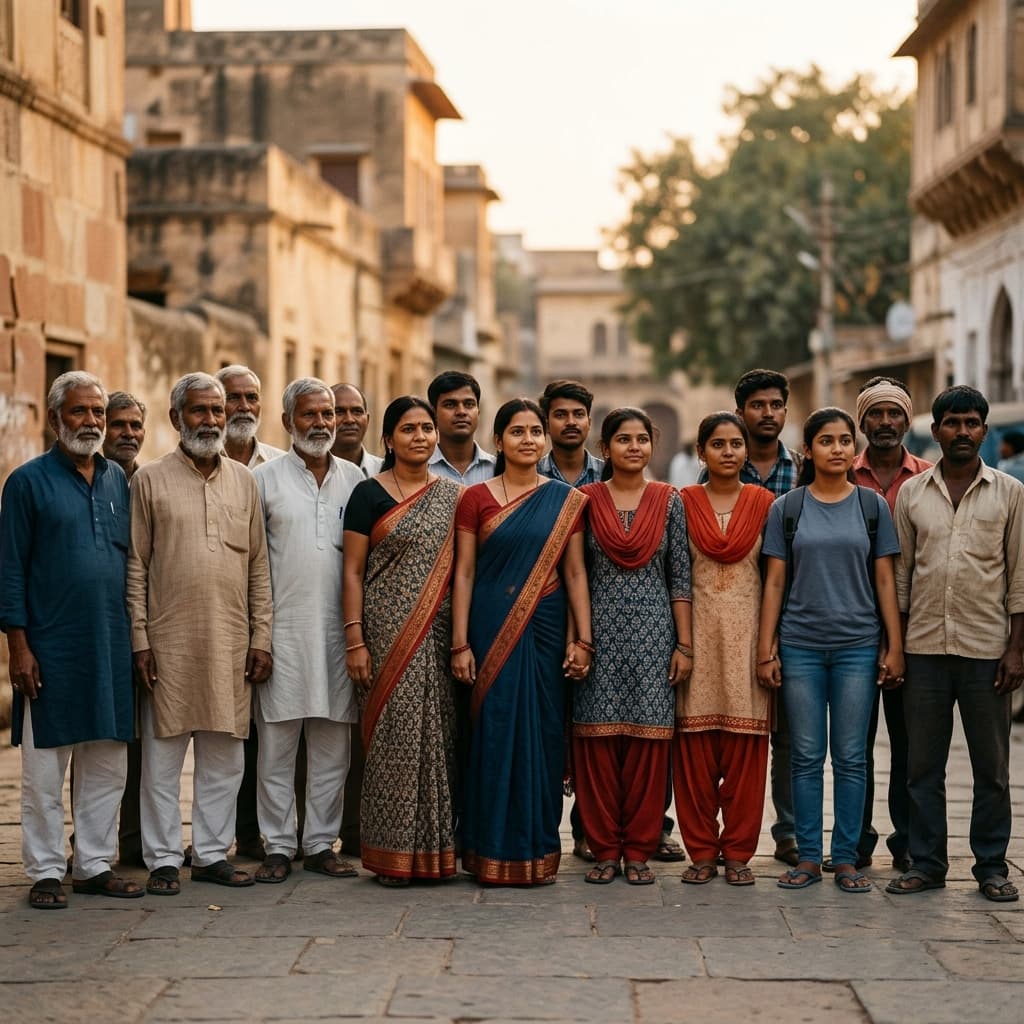
“A fair society is possible when every individual has equal rights and opportunities.”
HELPFUL RESOURCES
- Download Guides & Brochures
- Government Portals
- Legal Aid Services
- Human Rights Organizations
- Case Studies
- Awareness Videos
- Helplines & Support Services

Stand for Equal Rights
Support civil rights awareness, legal aid and advocacy. Together we can build a fairer and more inclusive society.