Freedom of Speech
Freedom of speech gives every individual the right to express their thoughts, opinions and ideas without fear. It is essential for a democratic society, a free press, open debate and an informed citizenry.
OVERVIEW
What is Freedom of Speech?
Freedom of speech is the right to express your opinions, ideas and beliefs through speech, writing, media, art or any other means without fear of censorship or punishment. This right strengthens democracy, promotes accountability, encourages dialogue and helps create a more informed and just society.
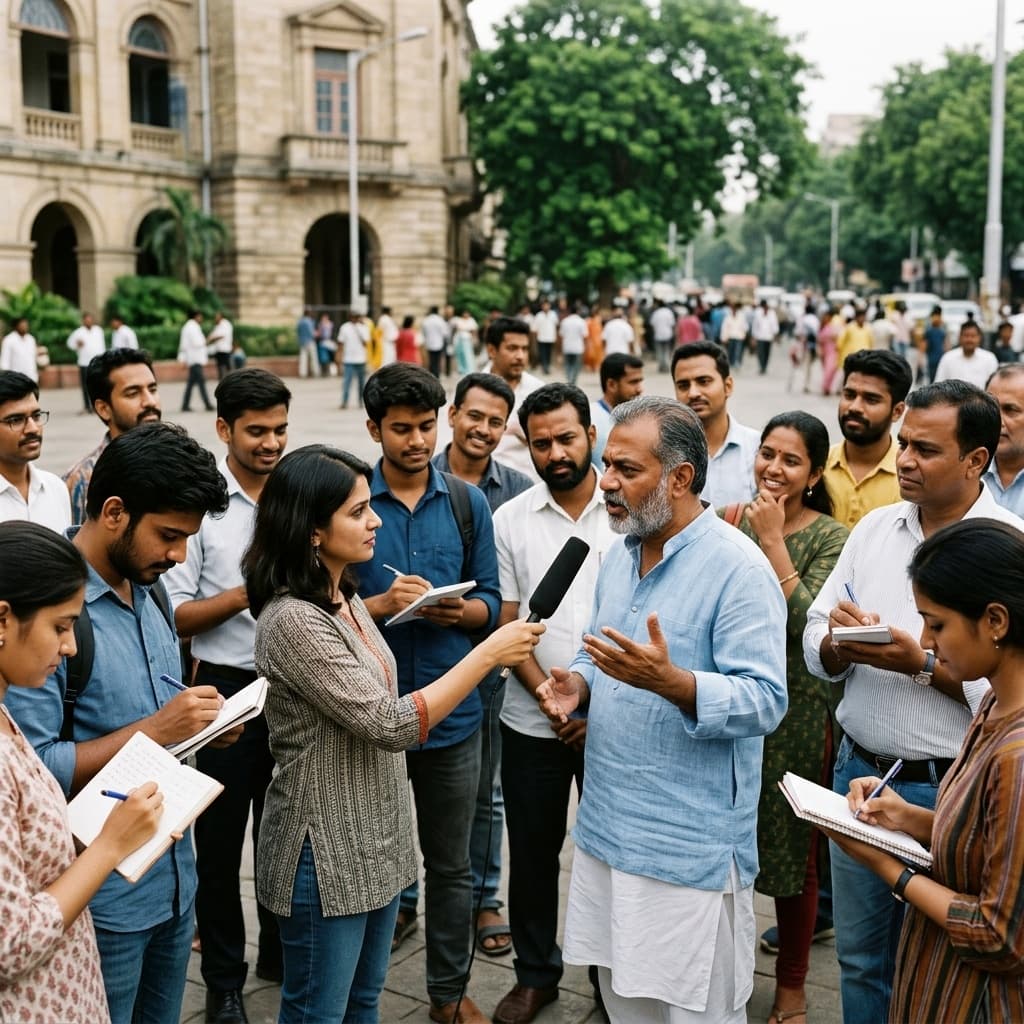
A free voice strengthens democracy, inspires change and gives every citizen the power to build a better and more just India.
KEY RIGHTS UNDER FREEDOM OF SPEECH
Core Rights Include
Right to Express Opinions
Share your views and ideas freely.
Freedom of Press and Media
Free, independent and responsible media.
Right to Peaceful Assembly
Gather and express collective views peacefully.
Freedom of Artistic Expression
Express through art, literature, music and culture.
Freedom of Online Expression
Share opinions on digital platforms.
Right to Receive Information
Access and share information and ideas.
Right to Petition the Government
Raise concerns and demand action.
Right to Criticize Public Authorities
Question government decisions and policies constructively.
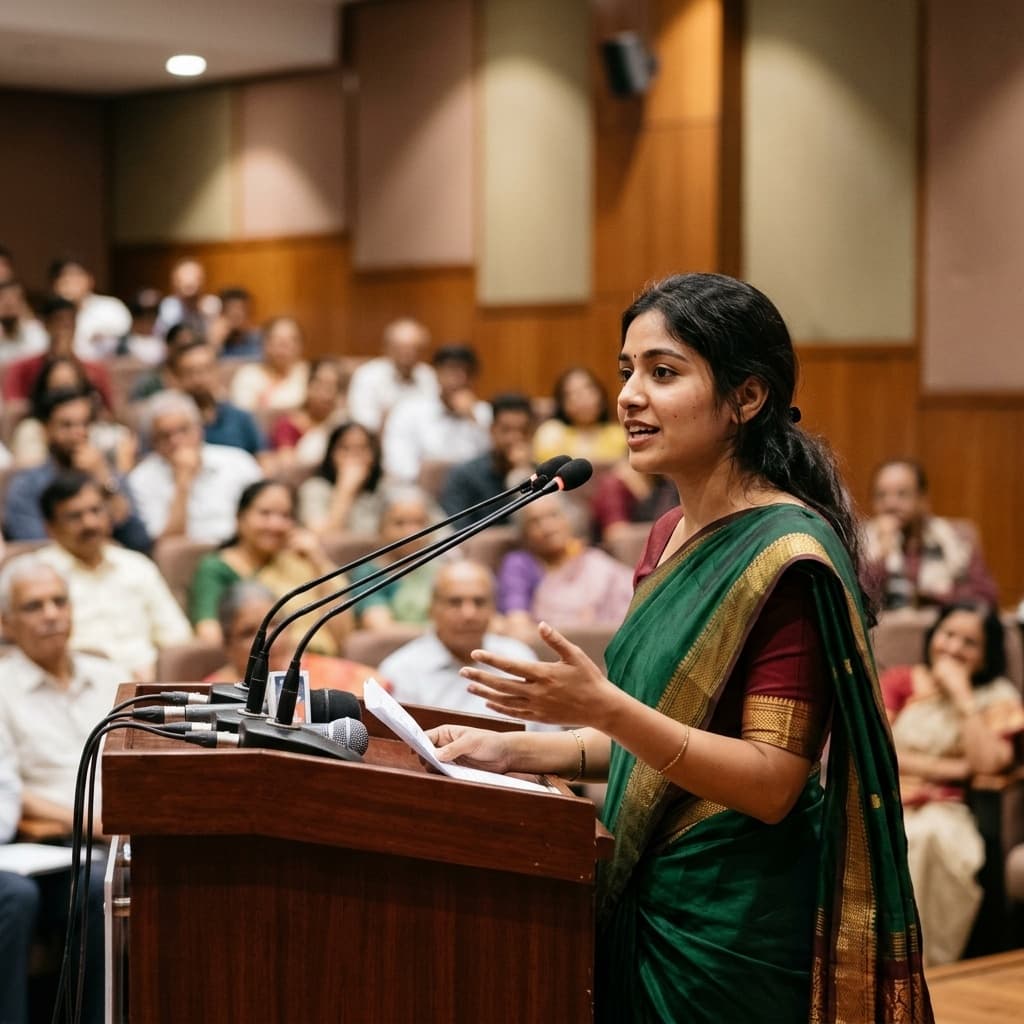
IMPORTANT LAWS & DOCUMENTS
Key Indian Laws for Freedom of Speech
Constitution of India – Article 19(1)(a)
Constitution of India – Article 19(2) (Reasonable Restrictions)
Press and Registration of Books Act, 1867
Information Technology Act, 2000 (relevant provisions)
Cinematograph Act, 1952
Contempt of Courts Act, 1971
Defamation Laws (IPC Sections 499–500)
Official Secrets Act, 1923
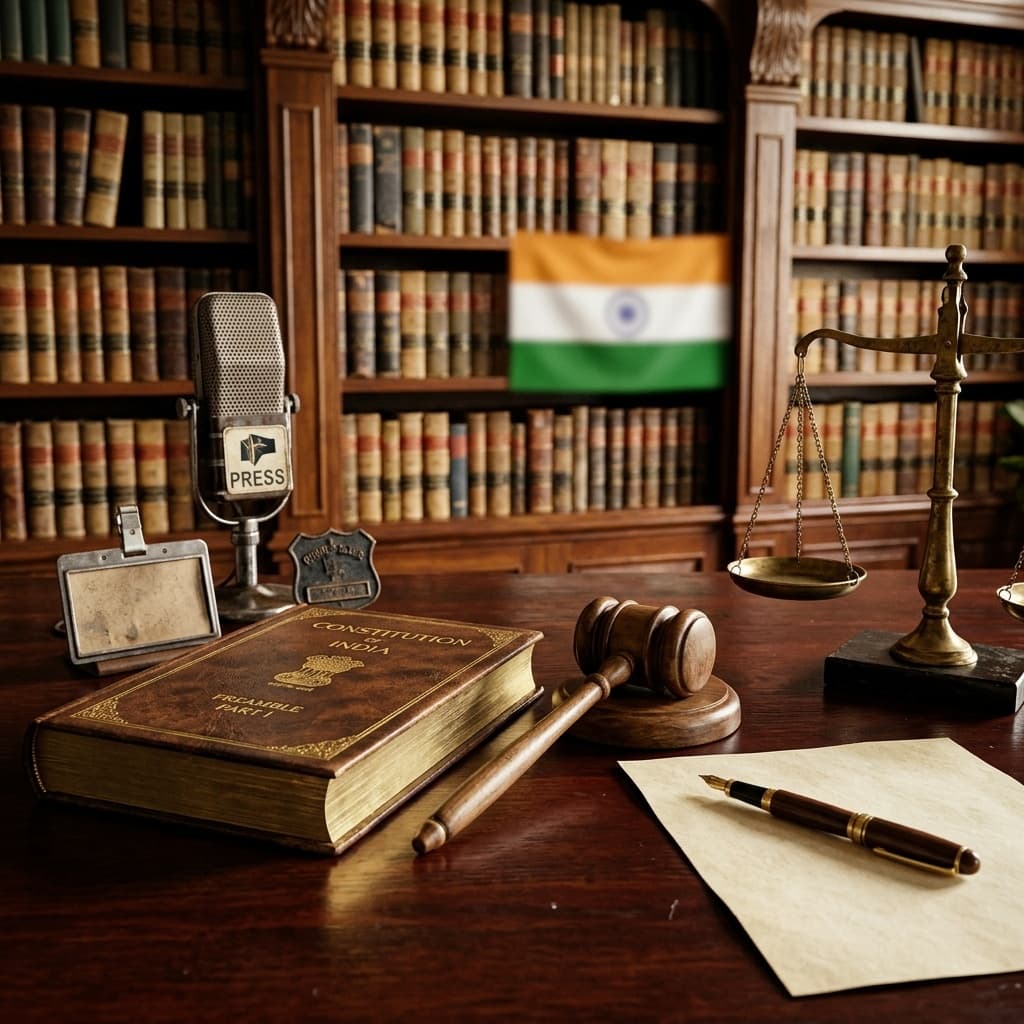
RELATED TOPICS
Key free-speech advocacy areas supported by HRSJM.
- Reasonable Restrictions
- Hate Speech and Incitement
- Freedom of the Press
- Freedom of Expression Online
- Art, Culture and Creative Freedom
- Defamation and Legal Liability
- Contempt of Court
- National Security and Public Order
- Peaceful Protests and Assembly
- Recent Case Laws and Judgments
CASE LAWS & EXAMPLES
Landmark Judgments Protecting Free Speech
Romesh Thappar v. State of Madras (1950)
Struck down a ban on the weekly journal 'Cross Roads', establishing that freedom of speech includes freedom of propagation of ideas through circulation.
Set the bedrock precedent that public order cannot be used as an excuse to suppress political criticism.
Shreya Singhal v. Union of India (2015)
Struck down the notorious Section 66A of the Information Technology Act as unconstitutional and arbitrarily vague.
Protected millions of internet users from police arrest for sharing critical or controversial political posts online.
S. Rangarajan v. P. Jagjivan Ram (1989)
Held that movie censorship cannot be permitted merely because hostile crowds threaten protests; state has a duty to protect free expression.
Laid down the 'spark in a powder keg' test - speech cannot be curbed unless there is immediate proximate danger of violence.
FREQUENTLY ASKED QUESTIONS
Common Questions on Freedom of Speech
Freedom of speech is the constitutional right to express opinions, share ideas, and communicate beliefs through speech, writing, art, or digital platforms without fear of arbitrary censorship or state reprisal.
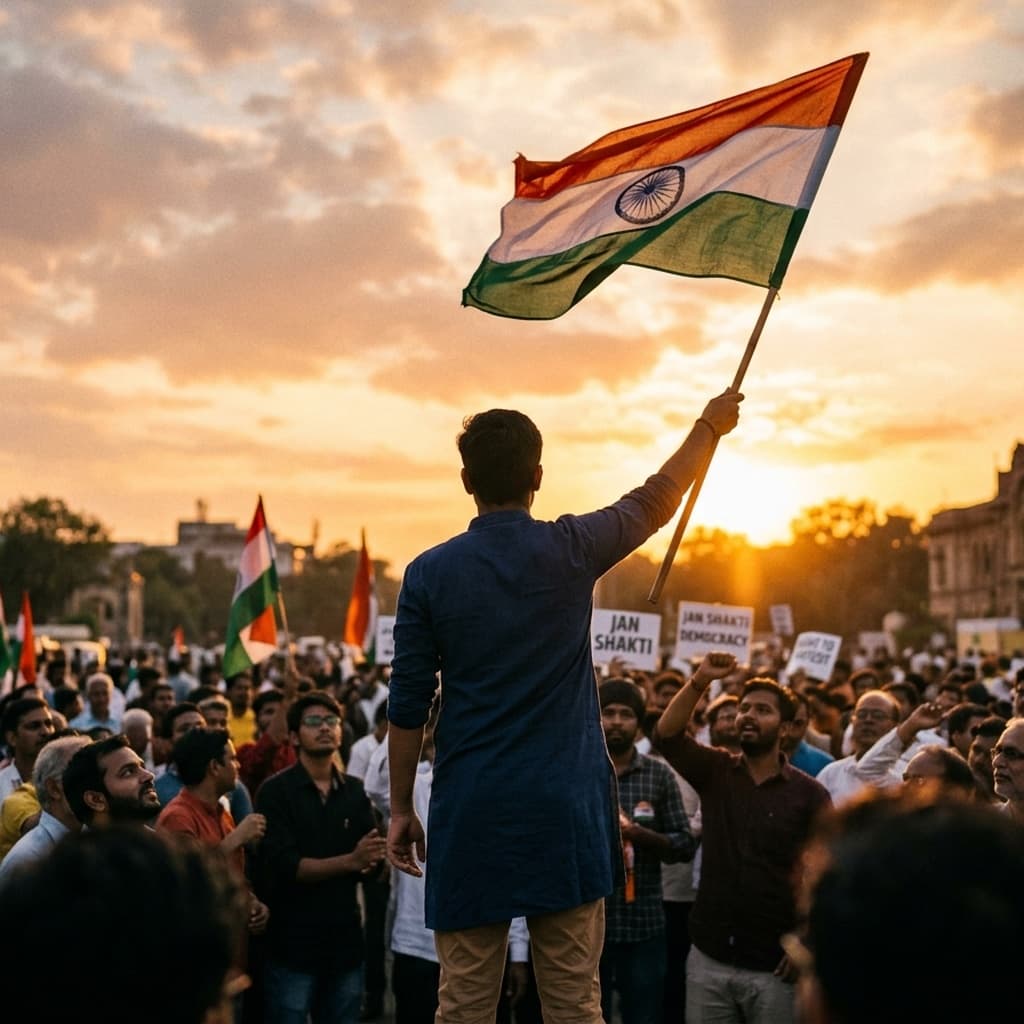
“More open dialogue, more ideas, more progress for a stronger India.”
HELPFUL RESOURCES
- Constitution of India (PDF)
- Supreme Court Judgments (Free)
- Ministry of Information & Broadcasting
- Press Council of India
- National Human Rights Commission
- Legal Aid Services (NALSA)
- Media Freedom Organizations
- Digital Rights Resources
- Awareness Materials and Guides
- Important Links
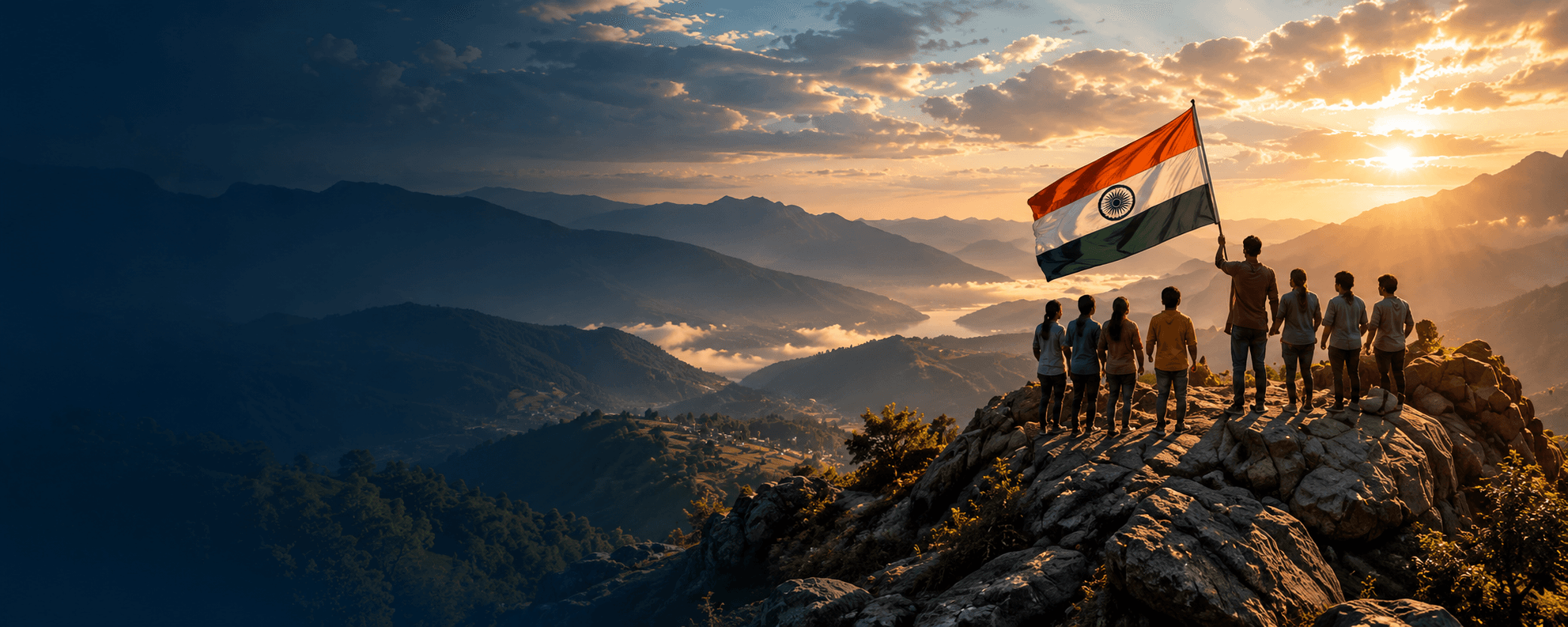
Raise Your Voice for a More Open and Stronger India
Awareness, legal support and community action can protect freedom of speech and strengthen our democracy.