
Fundamental Rights
The Fundamental Rights are guaranteed by the Constitution of India to ensure freedom, equality, justice and dignity for every citizen.
OVERVIEW
What are Fundamental Rights?
Fundamental Rights are basic human rights guaranteed by the Constitution of India to every citizen. These rights ensure freedom, equality, dignity and justice, and protect individuals from arbitrary action by the State. They are essential for a democratic and just society.

Fundamental Rights are the soul of our Constitution and the foundation of a free, just and equal India.
SIX FUNDAMENTAL RIGHTS
Types of Fundamental Rights
Right to Equality
Articles 14–18Ensures equality before law and equal protection of laws for all citizens.
Right to Freedom
Articles 19–22Guarantees freedom of speech, expression, movement, residence, profession and protection in certain cases.
Right against Exploitation
Articles 23–24Prohibits human trafficking, forced labour and child labour.
Right to Freedom of Religion
Articles 25–28Guarantees freedom to practice, profess and propagate any religion.
Cultural and Educational Rights
Articles 29–30Protects the rights of minorities to conserve their culture and establish educational institutions.
Right to Constitutional Remedies
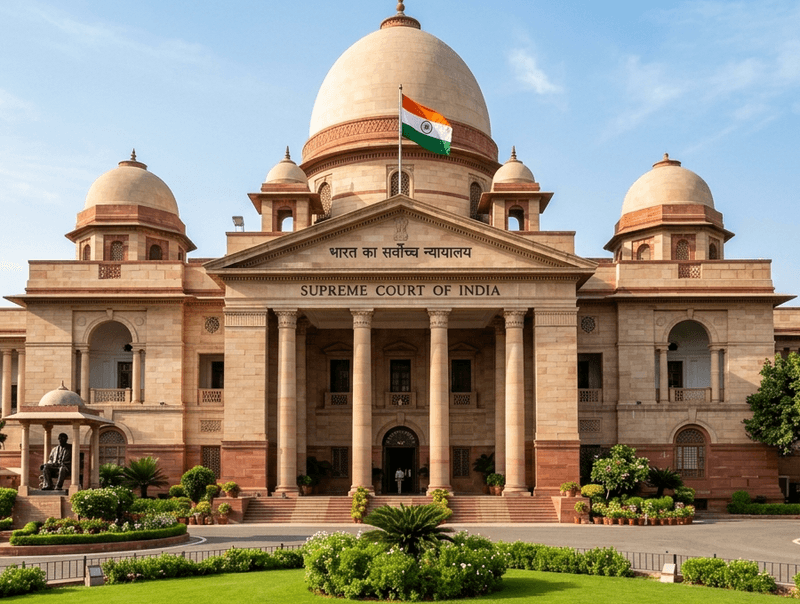
Article 32Allows citizens to move the Supreme Court for the enforcement of Fundamental Rights.

IMPORTANT ARTICLES
Key Constitutional Articles
Article 14 - Right to Equality
Article 19 - Right to Freedom
Article 21 - Right to Life and Personal Liberty
Article 25 - Freedom of Religion
Article 29 - Cultural and Educational Rights
Article 32 - Right to Constitutional Remedies
RELATED TOPICS
Explore interconnected constitutional rights and legal safeguards that shape our democracy.
- Equality and Non-Discrimination
- Freedom of Speech and Expression
- Right to Life and Dignity
- Freedom of Religion
- Minority Rights
- Education Rights
- Constitutional Remedies
- Landmark Judgments
CASE LAWS & EXAMPLES
Landmark Constitutional Rulings
Kesavananda Bharati v. State of Kerala (1973)
Established the legendary 'Basic Structure Doctrine', holding that Parliament cannot alter or destroy the core identity of the Constitution.
Protected Fundamental Rights and judicial review from arbitrary constitutional amendments.
Justice K.S. Puttaswamy v. Union of India (2017)
Unanimously affirmed that the Right to Privacy is an intrinsic part of the Right to Life and Personal Liberty under Article 21.
Revolutionized digital data privacy, informational autonomy, and personal dignity safeguards across India.
Navtej Singh Johar v. Union of India (2018)
Decriminalized consensual adult relationships by striking down Section 377 of the IPC as violative of Articles 14, 15, 19, and 21.
Affirmed equal constitutional rights, bodily autonomy, and non-discrimination for LGBTQ+ citizens.
FREQUENTLY ASKED QUESTIONS
Common Questions on Fundamental Rights
Fundamental Rights are basic human rights guaranteed by the Constitution of India to every citizen. These rights ensure freedom, equality, dignity and justice, and protect individuals from arbitrary action by the State.

“Rights empower people and build a stronger, more inclusive India.”
HELPFUL RESOURCES
- Constitution of India (PDF)
- Simplified Guide to Fundamental Rights
- Landmark Supreme Court Judgments
- Legal Aid and Support Services
- Human Rights Organizations
- Awareness Videos
- Case Studies
- Helplines & Contact Information

Know Your Rights, Stand for a Better India
Awareness, legal support and community action can protect your rights and strengthen democracy for future generations.