
Human Rights
Every individual has inherent rights and freedoms regardless of nationality, gender, religion or any other status. Learn about your human rights and how to protect them.
OVERVIEW
What are Human Rights?
Human rights are basic rights and freedoms that belong to every person, simply because they are human. These rights are universal, inalienable, and apply to all, regardless of nationality, gender, religion, caste, language or any other status.
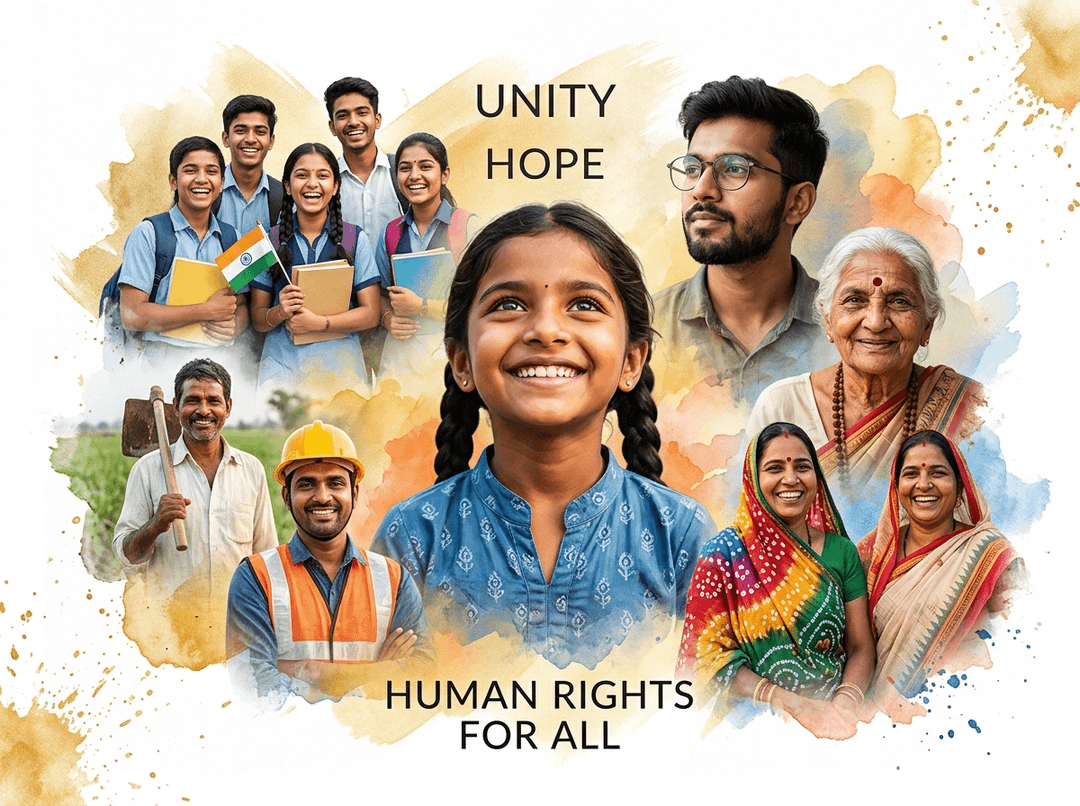
Human rights are not a privilege, but a right for every human being.
KEY HUMAN RIGHTS
Core Human Rights Include
Right to Life and Dignity
Every human being has the inherent right to live with peace, bodily autonomy, and human dignity.
Equality and Non-Discrimination
Fair treatment before the law with absolute prohibition against caste, gender, and racial discrimination.
Freedom and Security
Protection from arbitrary arrest, unlawful detention, physical violence, and state coercion.
Freedom of Expression
The freedom to hold opinions, receive information, and express ideas through speech, writing, and art.
Freedom of Religion
Unfettered right to profess, practice, and propagate one's religious or philosophical beliefs freely.
Right to Participate in Public Life
Equal rights to vote, stand for election, and actively shape civic and political governance.
Right to Work
Fair wages, humane working conditions, equal pay for equal work, and protection against forced labor.
Right to Education
Universal access to free, compulsory elementary education and lifelong vocational learning.
Right to Health
Access to timely, acceptable, and affordable healthcare of appropriate quality for all individuals.
Right to Adequate Standard of Living
Sufficient food, clean water, adequate shelter, clothing, and continuous improvement of living conditions.

IMPORTANT LAWS & DOCUMENTS
Key International and National Laws
Universal Declaration of Human Rights (UDHR)
International Covenants on Human Rights
National Human Rights Commission Act, 1993
Protection from Discrimination Laws
Other Relevant Acts and Policies

INDIA'S COMMITMENT
India is a signatory to major international human rights instruments and has a strong constitutional framework to protect and promote human rights for all.
- Constitutional Protection
- National Human Rights Commission
- Legal Remedies & Writs
- Judicial Support & Public Interest Litigation
CASE LAWS & EXAMPLES
Landmark Human Rights Judgments
Maneka Gandhi v. Union of India (1978)
The Supreme Court radically expanded Article 21, establishing that any procedure depriving life or personal liberty must be 'just, fair, and reasonable', not merely lawful.
Transformed Indian jurisprudence by incorporating the principle of natural justice into fundamental rights.
D.K. Basu v. State of West Bengal (1997)
Laid down mandatory guidelines for police during arrest and detention to prevent custodial torture and deaths.
Mandated informing relatives of arrest, medical examination every 48 hours, and displaying police officer badges.
PUCL v. Union of India (Right to Food Case, 2001)
Recognized the Right to Food as an integral part of the Right to Life under Article 21.
Converted welfare schemes into legally enforceable entitlements, leading directly to the National Food Security Act, 2013.
FREQUENTLY ASKED QUESTIONS
Common Questions on Human Rights
Human rights are basic rights and freedoms that belong to every person, simply because they are human. These rights are universal, inalienable, and apply to all, regardless of nationality, gender, religion, caste, language or any other status.
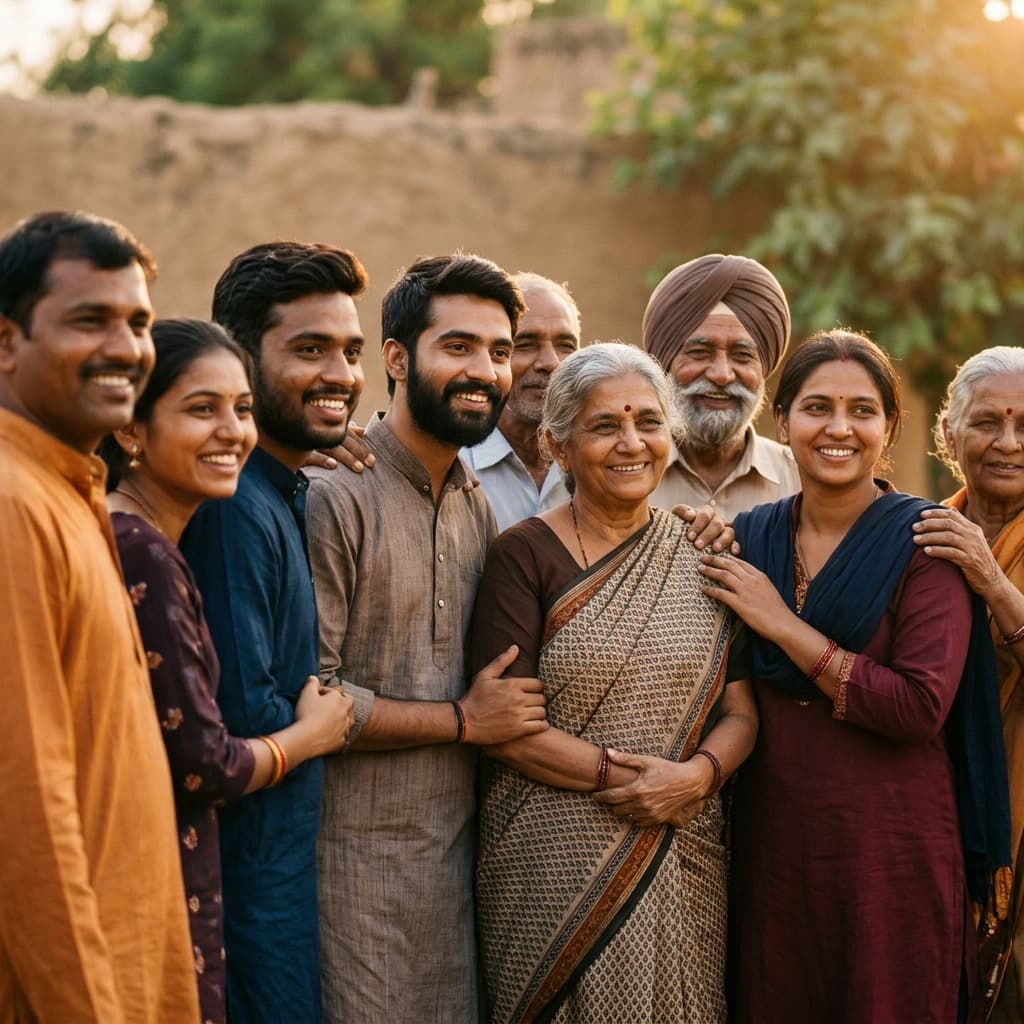
“Together we can build a fairer and more just society.”
RESOURCES
- Download Guides & Brochures
- Important Links
- Human Rights Organizations
- Case Studies
- Helplines & Support Services
- Educational Materials

Be A Part of the Change
Support human rights awareness, education and advocacy. Together we can create a more equal and just society.