
Labour Rights
Every worker has the right to fair wages, safe working conditions, social security and dignity at work. Know about your labour rights, the laws that protect you, and how to seek support.
OVERVIEW
What are Labour Rights?
Labour rights are the rights of all workers to fair wages, safe and healthy working conditions, reasonable working hours, social security, equal treatment and freedom to form unions. These rights protect workers in organized and unorganized sectors and ensure dignity, safety and justice at the workplace.
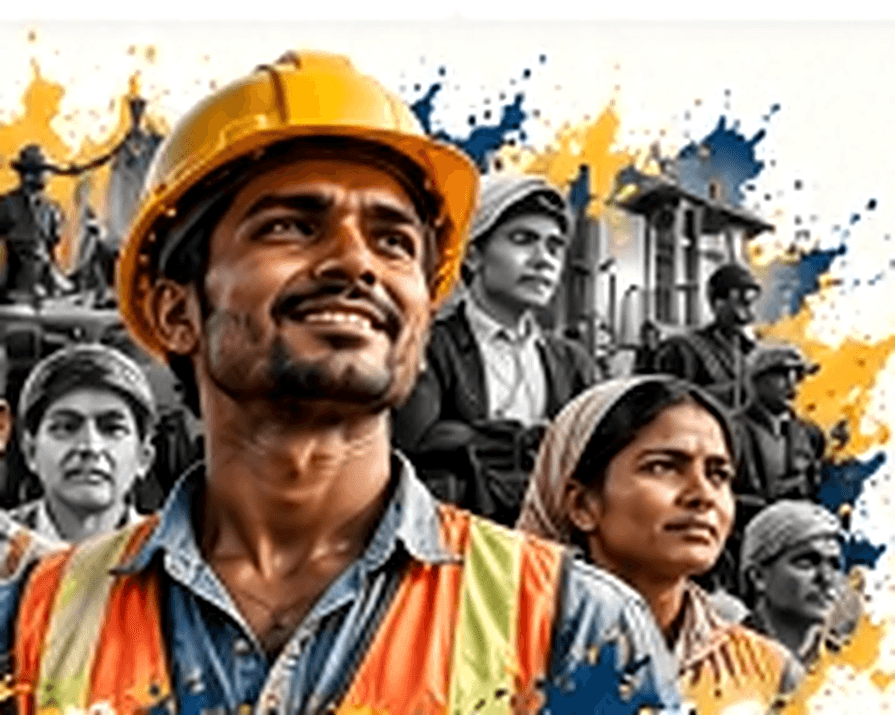
Decent work is not a privilege, but a right for every worker. Fair wages, safe workplaces and dignity at work build a stronger and more equal society.
KEY LABOUR RIGHTS
Core Labour Rights Include
Right to Fair Wages
Timely and fair payment for work done.
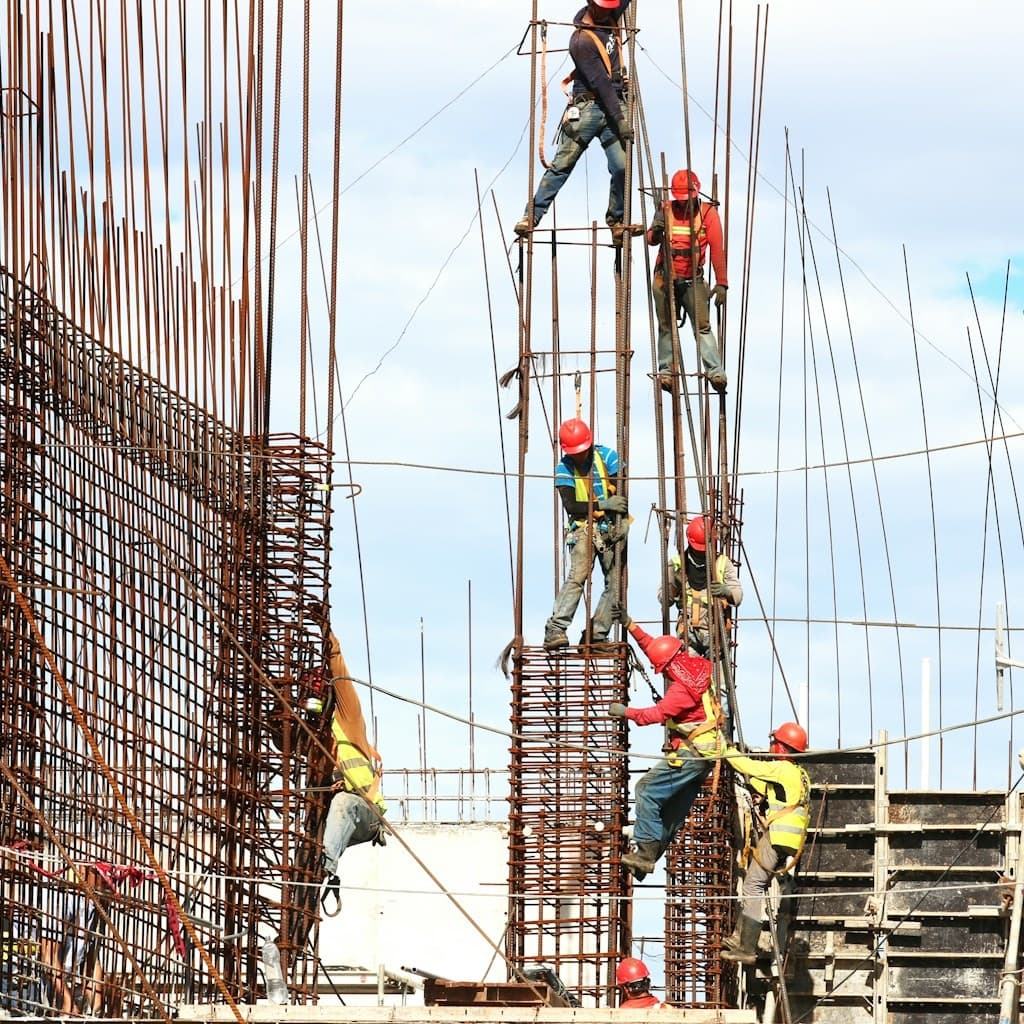
Right to Safe Working Conditions
Safe, healthy and hazard-free workplaces.
Right to Reasonable Working Hours
Regulated working hours and rest periods.
Right to Form Unions
Freedom to form and join trade unions.
Right to Equality
Equal treatment without discrimination.
Right to Social Security
Access to benefits like PF, ESI, maternity and other welfare schemes.
Right to Protection from Exploitation
Protection from child labour, bonded labour and forced labour.
Right to Grievance Redressal
Access to legal remedies and labour authorities.
IMPORTANT LAWS & DOCUMENTS
Key Indian Labour Laws
The Code on Wages, 2019
The Industrial Relations Code, 2020
The Code on Social Security, 2020
The Occupational Safety, Health and Working Conditions Code, 2020
The Minimum Wages Act, 1948
The Payment of Gratuity Act, 1972
The Employees' Provident Funds and Miscellaneous Provisions Act, 1952
The Employees' State Insurance Act, 1948

RELATED TOPICS
Key themes in labour welfare and industrial relations in India.
- Minimum Wages
- Working Hours and Overtime
- Workplace Safety and Health
- Contract and Gig Workers
- Migrant Workers
- Child Labour
- Bonded Labour
- Maternity Benefits
- Social Security (PF, ESI)
- Grievance Redressal
- Labour Courts and Tribunals
CASE LAWS & EXAMPLES
Historic Industrial & Labour Judgments
People's Union for Democratic Rights v. Union of India (Asiad Workers Case, 1982)
Held that paying less than the minimum wage amounts to 'forced labour' prohibited under Article 23 of the Constitution.
Established that economic necessity compelling a person to accept sub-minimum wages violates constitutional dignity.
Bandhua Mukti Morcha v. Union of India (1984)
Landmark public interest litigation freeing thousands of bonded stone quarry workers in Haryana.
Mandated state governments to identify, release, and actively rehabilitate bonded and contract labourers.
State of Punjab v. Jagjit Singh (2016)
Ruled that temporary, contractual, and ad-hoc employees are entitled to 'Equal Pay for Equal Work' on par with regular permanent employees.
Eliminated arbitrary wage disparities for lakhs of contractual government workers across India.
FREQUENTLY ASKED QUESTIONS
Common Questions on Labour Rights
Labour rights are statutory and constitutional entitlements that ensure workers receive fair remuneration, safe working environments, social security benefits, and freedom from arbitrary exploitation.
“Safe Workers Strong Nation Better Tomorrow.”
HELPFUL RESOURCES
- Ministry of Labour & Employment
- Labour Commissioner (State-wise)
- EPFO (Employees' Provident Fund)
- ESIC (Employees' State Insurance)
- Labour Law Guides & Brochures
- Legal Aid Services (NALSA)
- Labour Courts & Tribunals
- Helplines for Labour Complaints
- Awareness Videos
- Case Studies and Judgments
- Important Links

Support Workers’ Rights, Build a Fairer and Stronger India
Awareness, legal support and community action can ensure dignity, safety and justice for every worker.