
Minority Rights
Every individual and community, regardless of religion, language, culture or ethnicity, has the right to live with dignity, equality and safety. Know about minority rights, the laws that protect them, and how to seek support.
OVERVIEW
What are Minority Rights?
Minority rights protect the cultural, religious, linguistic and educational rights of minority communities. These rights ensure that every individual and community can preserve their identity, practice their faith, speak their language, and manage their own educational institutions, while enjoying equal protection under the law.

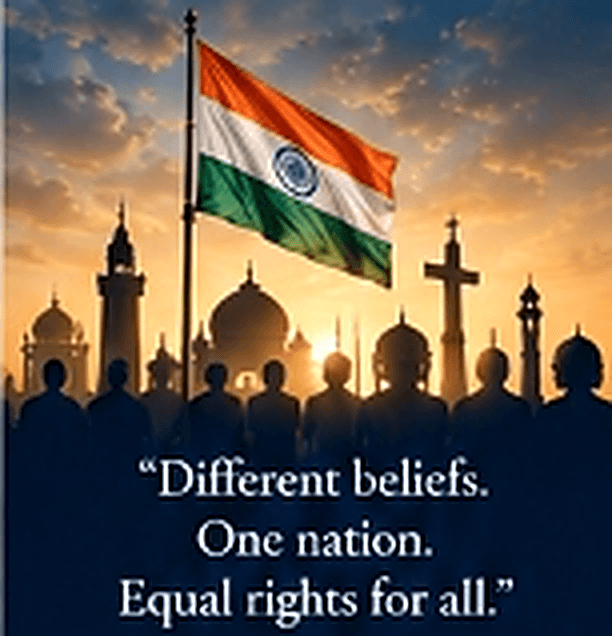
Diversity is our strength. Protecting minority rights helps build a more inclusive, harmonious and united India.
KEY MINORITY RIGHTS
Core Rights Include
Right to Equality and Non-Discrimination
Equal treatment under the Constitution and law.
Right to Freedom of Religion
Freedom to profess, practice and propagate any religion.
Right to Preserve Language and Culture
Right to conserve and promote distinct language, script and culture.
Right to Establish Educational Institutions
Right to establish and administer educational institutions (Article 30).
Right to Protection of Identity
Protection from forced assimilation and cultural erosion.
Right to Participate in Public Life
Equal opportunity in political, social and economic life.
Right to Safety and Security
Protection from hate crimes, violence and discrimination.
Right to Legal Remedies
Access to courts and legal protection for violation of minority rights.
IMPORTANT LAWS & DOCUMENTS
Key Indian Laws for Minority Rights
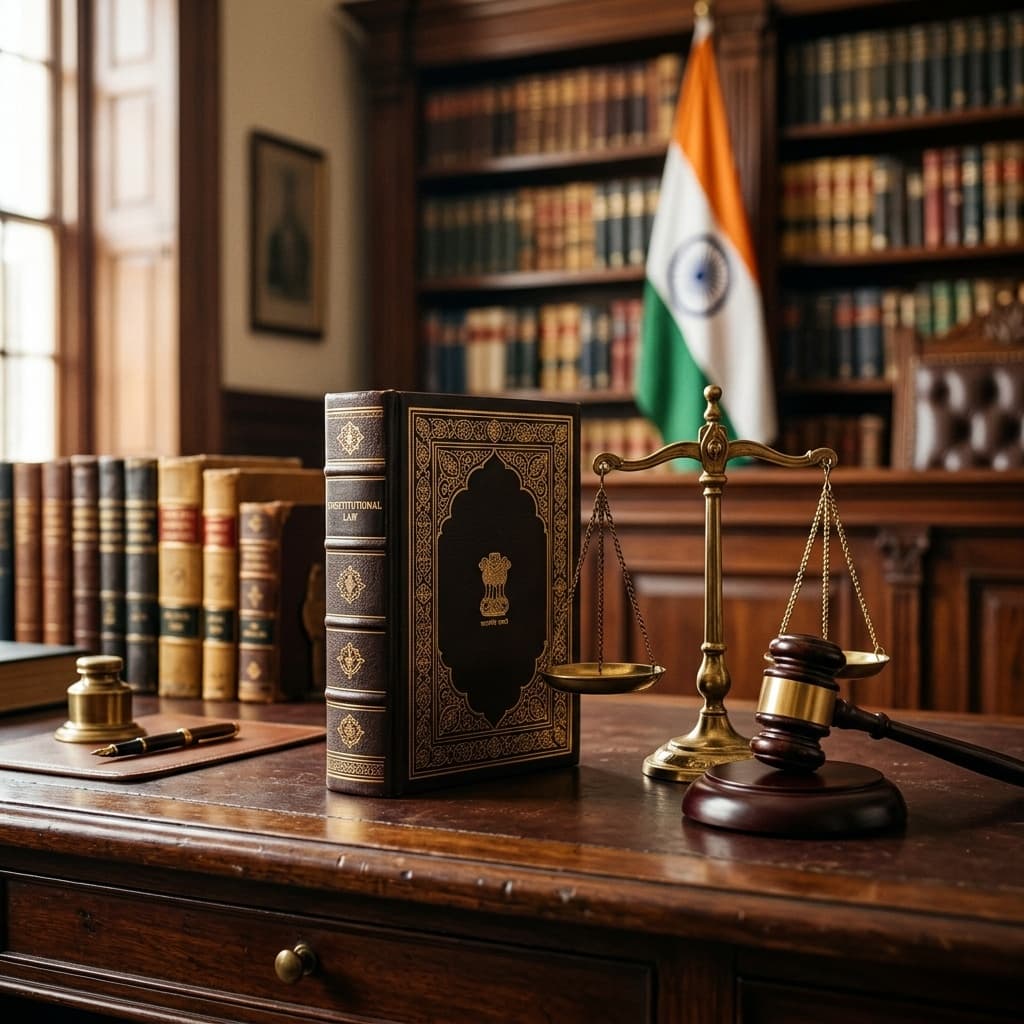
The Constitution of India (Articles 14, 15, 25, 26, 29, 30)
The National Commission for Minorities Act, 1992
The Protection of Civil Rights Act, 1955
The Right to Freedom of Religion (Article 25–28)
The Right to Preserve Language, Script and Culture (Article 29)
The Right to Establish Educational Institutions (Article 30)
The Prevention of Atrocities (relevant provisions)
RELATED TOPICS
Key themes and initiatives protecting diversity in India.
- Religious Freedom
- Linguistic Minorities
- Cultural Heritage
- Educational Rights
- Protection from Discrimination
- Hate Crimes and Legal Action
- Minority Institutions
- National Commission for Minorities
- State Minority Commissions
- Case Studies and Judgments
CASE LAWS & EXAMPLES
Landmark Judgments on Minority Rights
T.M.A. Pai Foundation v. State of Karnataka (2002)
Affirmed that minority status (linguistic or religious) is determined on a state-by-state basis, upholding administrative autonomy of minority institutions.
Set the modern standard for admissions, fees, and government regulation of private unaided minority colleges.
P.A. Inamdar v. State of Maharashtra (2005)
Held that the state cannot impose seat reservation quotas on private unaided minority or non-minority professional colleges.
Protected the fundamental institutional autonomy of minority educational bodies.
FREQUENTLY ASKED QUESTIONS
Common Questions on Minority Rights
Minority rights are constitutional safeguards ensuring that minority communities (religious, linguistic, or cultural) can preserve their heritage, practice their faith, and administer educational institutions without discrimination.
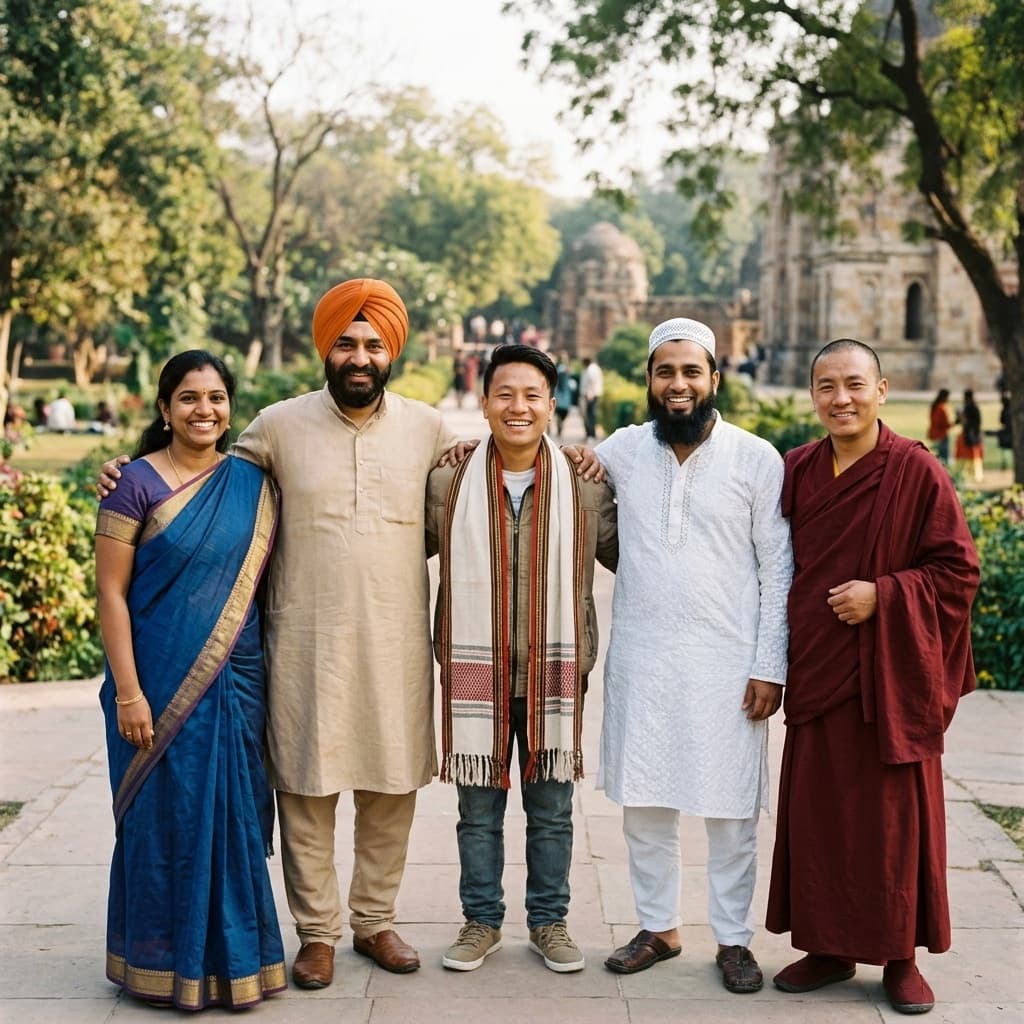
“United in diversity, stronger as a nation.”
HELPFUL RESOURCES
- National Commission for Minorities
- State Minority Commissions
- Ministry of Minority Affairs
- Legal Aid Services (NALSA)
- Minority Educational Institutions
- Awareness Materials and Guides
- Helplines & Support Services
- NGOs and Support Organizations
- Case Studies and Judgments
- Important Links

Celebrate Diversity, Protect Minority Rights
Awareness, legal support and community action can ensure equality, harmony and a more inclusive India for all.