Right to Education
Every child has the right to free and compulsory education, quality learning opportunities and equal access to educational institutions. Know about your rights, the laws that protect them, and how to seek support.
OVERVIEW
What is the Right to Education?
The right to education ensures that every child has access to free and compulsory education, quality learning, and an environment that supports their overall development. Education empowers children, reduces inequality and builds a stronger, more inclusive society. This right protects children from discrimination and ensures equal opportunities for all, regardless of their background.
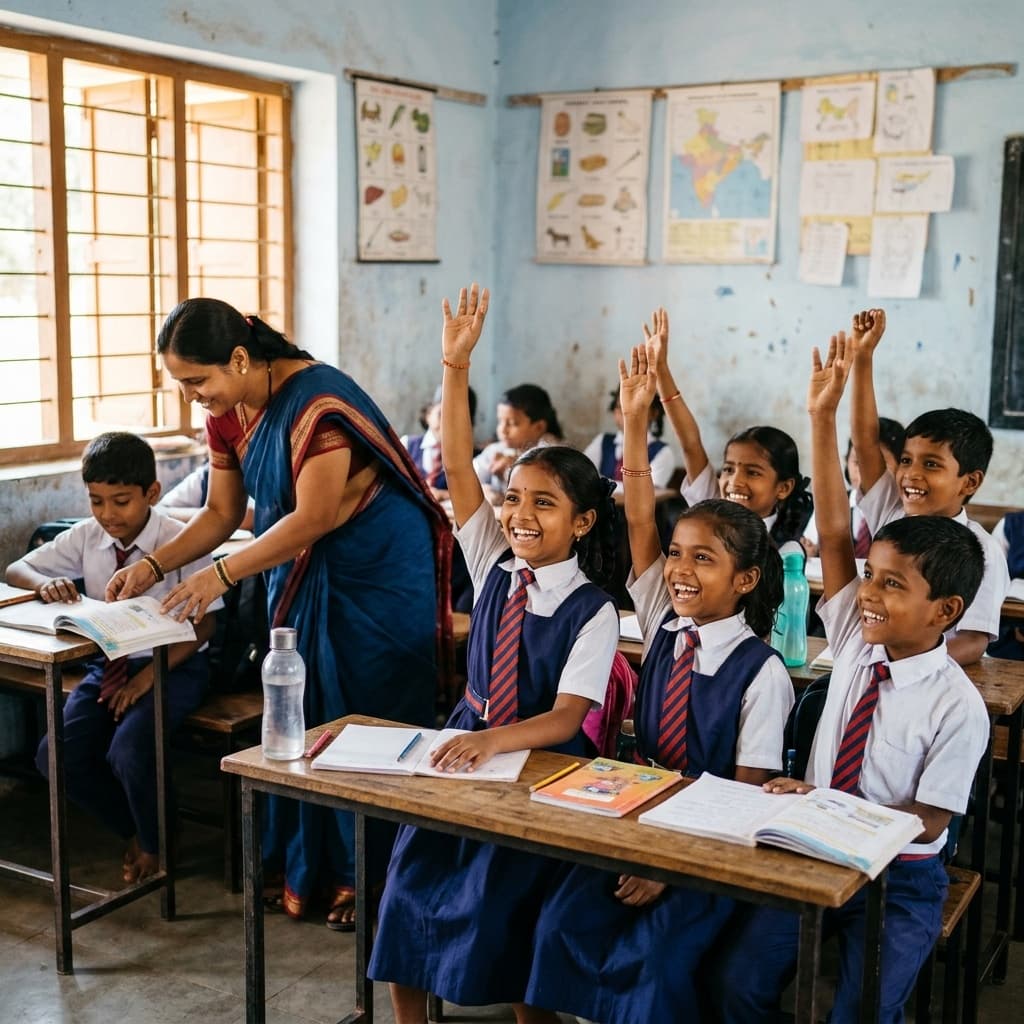
Education is not just a right, but a powerful tool to break the cycle of poverty, promote equality and create a brighter future for every child.
KEY RIGHTS UNDER RIGHT TO EDUCATION
Core Rights Include
Right to Free and Compulsory Education
Free education for children aged 6–14 years.
Right to Equality
Equal access to education without discrimination.
Right to Quality Education
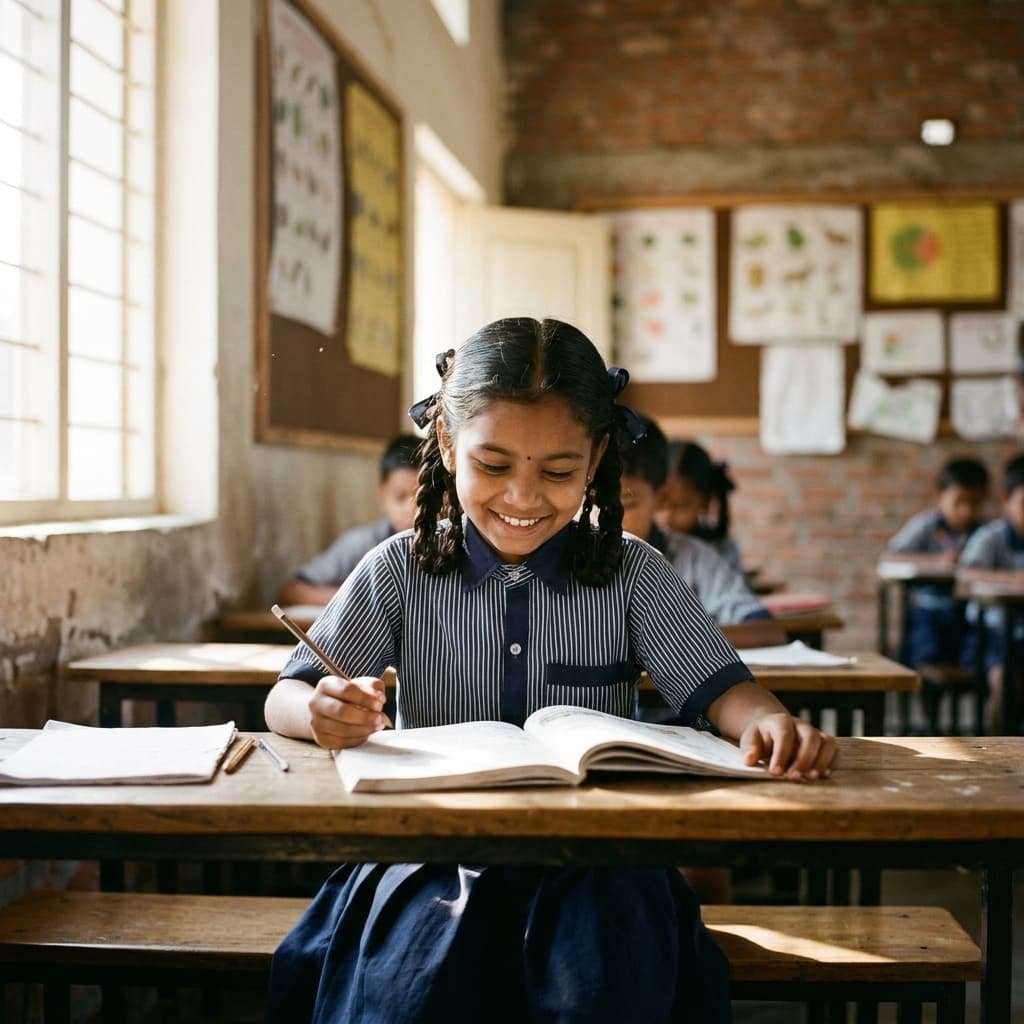
Safe, inclusive and child-friendly learning environment.
Right to Education for All
Access to education for marginalized and vulnerable children.
Right to Continue Education
Protection from dropout and child labour.
Right to Inclusive Education
Education for children with disabilities.
Right to Safe Learning Environment
Protection from violence, harassment and abuse.
Right to Holistic Development
Education that supports mental, physical and social growth.
IMPORTANT LAWS & DOCUMENTS
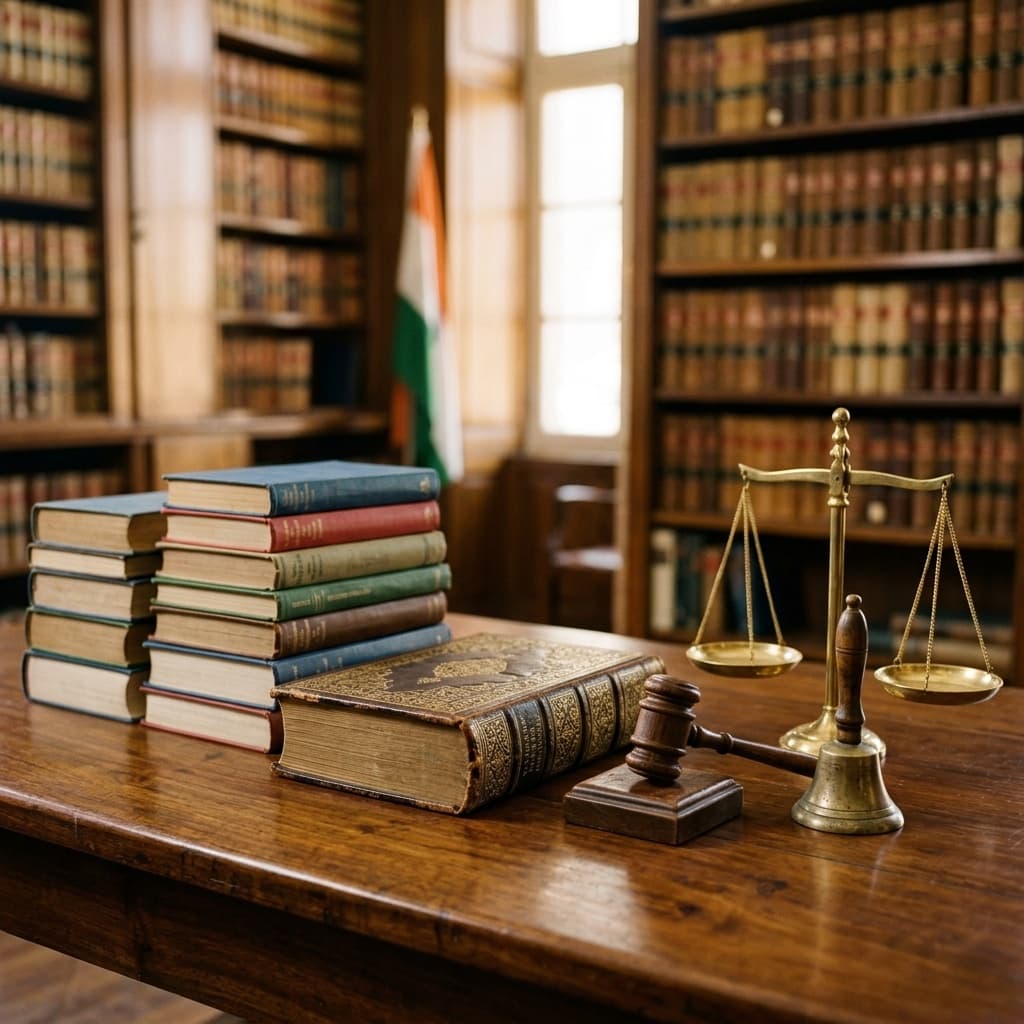
Key Indian Laws for Right to Education
The Right of Children to Free and Compulsory Education Act, 2009
The Constitution of India (Article 21A)
The National Education Policy (NEP), 2020
The Child Labour (Prohibition and Regulation) Act, 1986
The Juvenile Justice (Care and Protection of Children) Act, 2015
The Protection of Children from Sexual Offences (POCSO) Act, 2012
The Rights of Persons with Disabilities Act, 2016
Various State Government Schemes and Policies
RELATED TOPICS
Key themes and programs under the Right to Education in India.
- School Admission and Enrollment
- No Child Left Behind
- Mid-Day Meal Scheme
- Scholarships and Financial Support
- Education for Girl Children
- Education for Children with Disabilities
- Prevention of Child Labour
- Safe Schools and Child Protection
- Digital Education and E-Learning
- Government Education Schemes
- Grievance Redressal
- Case Studies and Success Stories
CASE LAWS & EXAMPLES
Landmark Judgments on Right to Education
Unni Krishnan, J.P. v. State of Andhra Pradesh (1993)
Recognized that the Right to Education is an essential part of the Right to Life under Article 21, establishing that education cannot be commercialized.
Paved the path directly for the 86th Constitutional Amendment and the enactment of Article 21A.
Society for Unaided Private Schools v. Union of India (2012)
Constitutionally upheld the validity of the 25% reservation for poor children in private unaided schools under Section 12(1)(c) of the RTE Act.
Affirmed the shared social responsibility of private educational institutions in achieving universal literacy.
FREQUENTLY ASKED QUESTIONS
Common Questions on Right to Education
The Right to Education is a fundamental right under Article 21A ensuring that every child between 6 and 14 years has the legal right to free and compulsory elementary education in a neighborhood school.
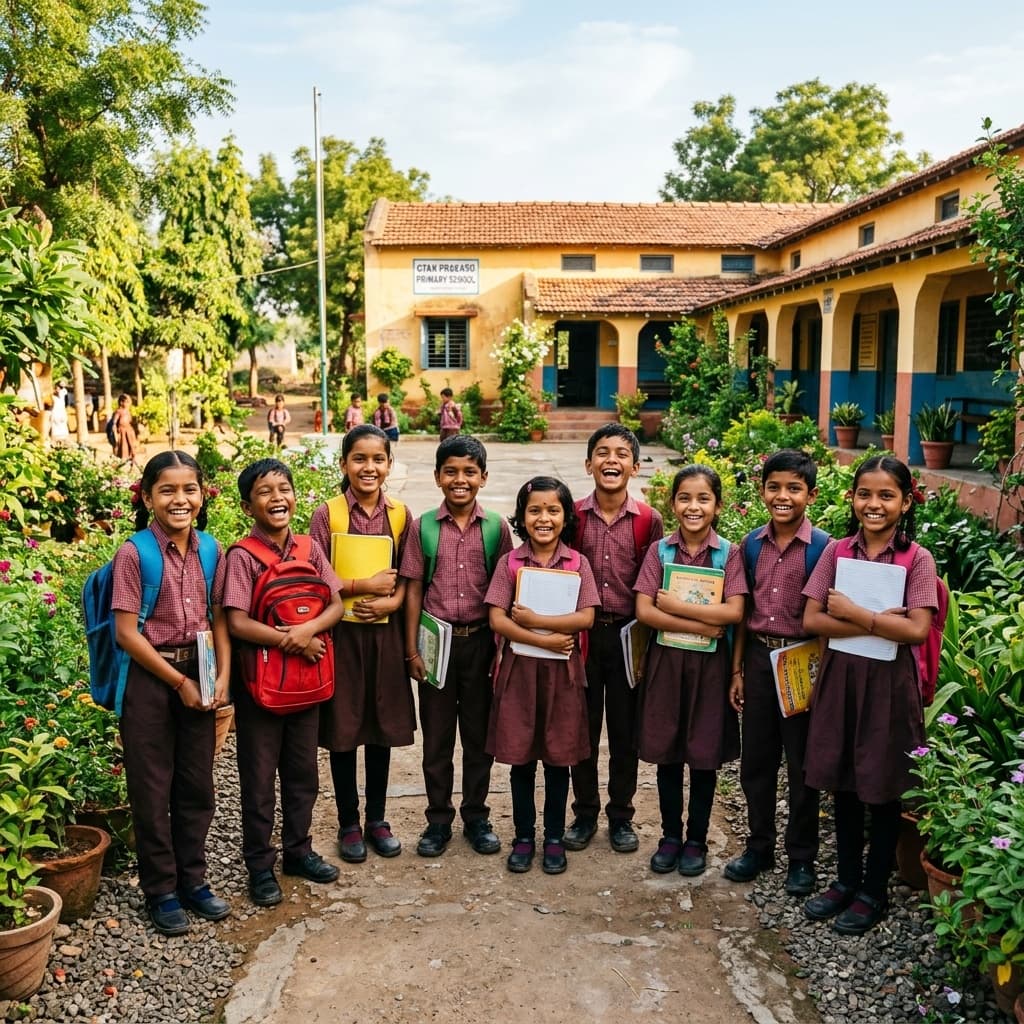
“Every child in school, every dream within reach.”
HELPFUL RESOURCES
- Ministry of Education (India)
- Right to Education (RTE) Portal
- National Education Policy (NEP)
- National Commission for Protection of Child Rights (NCPCR)
- State Education Departments
- Educational Schemes and Scholarships
- Legal Aid Services (NALSA)
- Child Helpline (1098)
- NGOs and Support Organizations
- Awareness Materials and Guides
- Case Studies and Reports
- Important Links
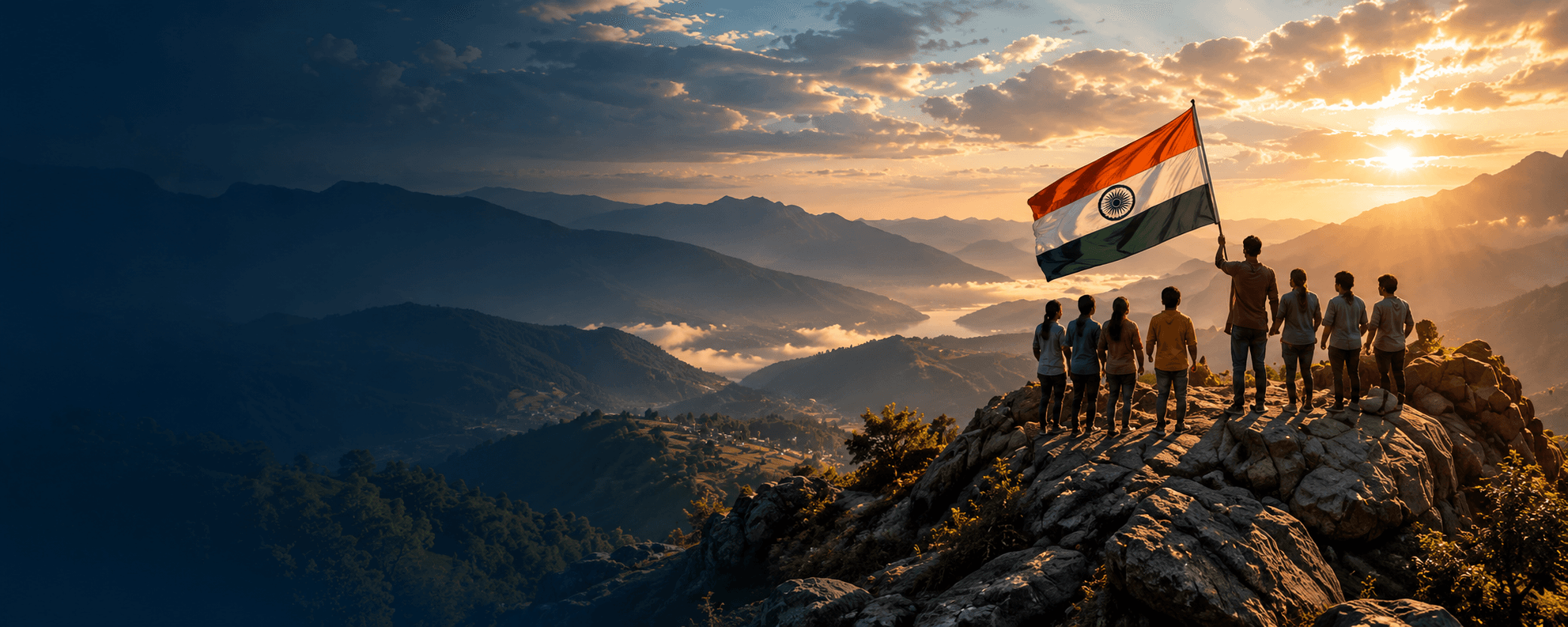
Educate Today, Empower Tomorrow
Support the right to education awareness, legal support and community action. Together we can build a brighter India for every child.