
Women’s Rights
Every woman has the right to live with dignity, safety, equality and freedom. Know about your rights, the laws that protect you, and how to seek support.
OVERVIEW
What are Women’s Rights?
Women's rights are human rights. They ensure that every woman can live with dignity, freedom, equality and safety in all areas of life - at home, at work, in education, in public spaces and in society. These rights protect women from discrimination, violence and exploitation, and promote equal opportunities for growth and participation.
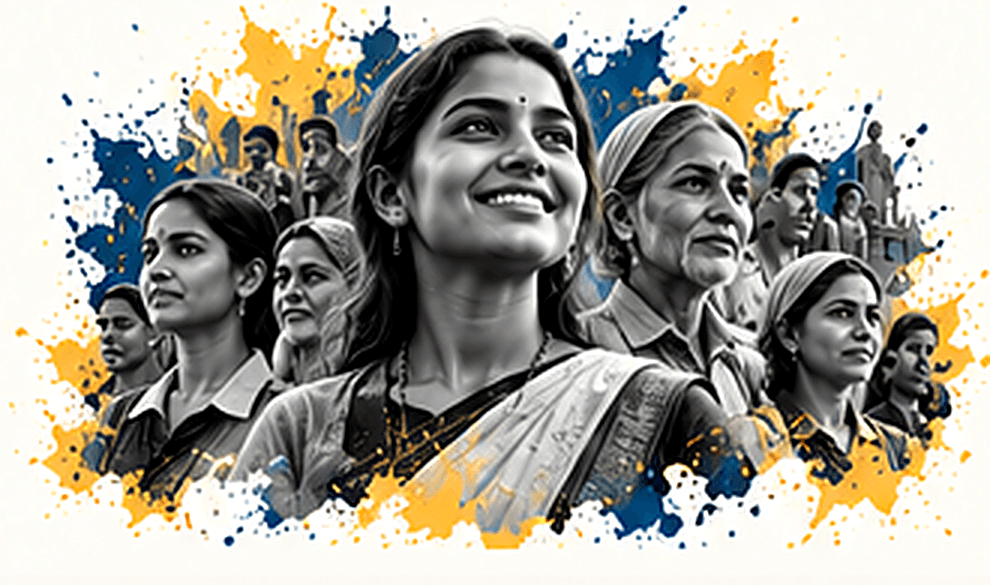
Empowered women empower families, communities and nations. Gender equality is not just a goal, it is a fundamental right.
KEY WOMEN'S RIGHTS
Core Rights Include
Right to Equality
Equal treatment under the law without discrimination.
Right to Dignity
Live with dignity, free from violence, harassment and exploitation.
Right to Education
Equal access to quality education at all levels.
Right to Work
Equal employment opportunities and safe working conditions.
Right to Health
Access to healthcare, including reproductive and maternal health.
Right to Safety
Protection from domestic violence, sexual harassment and all forms of abuse.
Right to Property
Equal rights in property and inheritance.
Right to Participation
Equal participation in political, social and economic life.

IMPORTANT LAWS & DOCUMENTS
Key Indian Laws for Women’s Rights
Constitution of India (Equality and Non-Discrimination)
The Protection of Women from Domestic Violence Act, 2005
The Sexual Harassment of Women at Workplace Act, 2013
The Dowry Prohibition Act, 1961
The Prohibition of Child Marriage Act, 2006
The Maternity Benefit Act, 1961
The Medical Termination of Pregnancy Act, 1971
The Protection of Children from Sexual Offences (POCSO) Act, 2012

RELATED TOPICS
Key themes and support areas for women's empowerment.
- Domestic Violence & Support
- Sexual Harassment at Workplace
- Dowry and Harassment
- Child Marriage
- Maternal Rights
- Property and Inheritance
- Legal Aid and Counseling
- Women's Helplines
- Government Schemes
- Case Studies and Judgments
CASE LAWS & EXAMPLES
Landmark Judgments for Women’s Rights
Vishaka v. State of Rajasthan (1997)
Laid down the historic 'Vishaka Guidelines' to prevent sexual harassment at workplace, which later formed the basis of the POSH Act 2013.
Mandated every employer to create formal grievance mechanisms and safe working environments.
Shayara Bano v. Union of India (2017)
Declared the practice of instantaneous Triple Talaq (Talaq-e-Biddat) unconstitutional and void under Article 14.
Affirmed gender justice, dignity, and equality for Muslim women under Indian constitutional law.
Vineeta Sharma v. Rakesh Sharma (2020)
Held that daughters have equal coparcenary rights in Hindu undivided ancestral property by birth, even if the father died before the 2005 amendment.
Eliminated patriarchal property inheritance hurdles for Indian women nationwide.
FREQUENTLY ASKED QUESTIONS
Common Questions on Women’s Rights
Women's rights are basic human rights guaranteeing every woman freedom from violence, equality in employment, reproductive autonomy, property rights, and fair participation in social and political life.
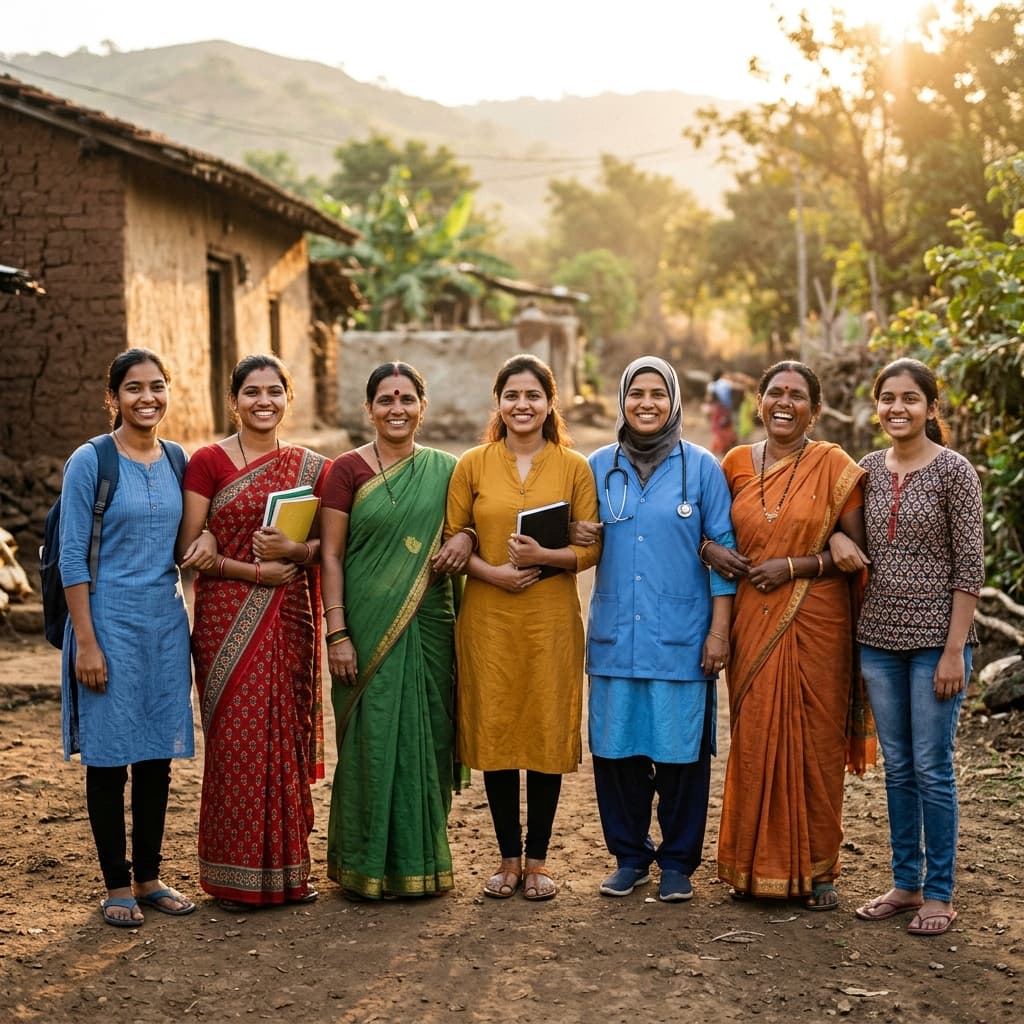
“Stronger Women Stronger Societies”
HELPFUL RESOURCES
- National Commission for Women
- State Women's Commission
- Women Helpline (181)
- One Stop Centre (Sakhi)
- Legal Aid Services (NALSA)
- Government Schemes for Women
- Awareness Materials (PDF)
- NGOs and Support Organizations
- Case Studies
- Important Links

Support Women’s Rights, Build a Safer India
Awareness, legal support and community action can create a more equal and just society for every woman.