Child Rights: Building a Safer and Brighter Future
Why child protection matters, key legal frameworks under Indian law, and how communities can build safe, supportive environments for every child.
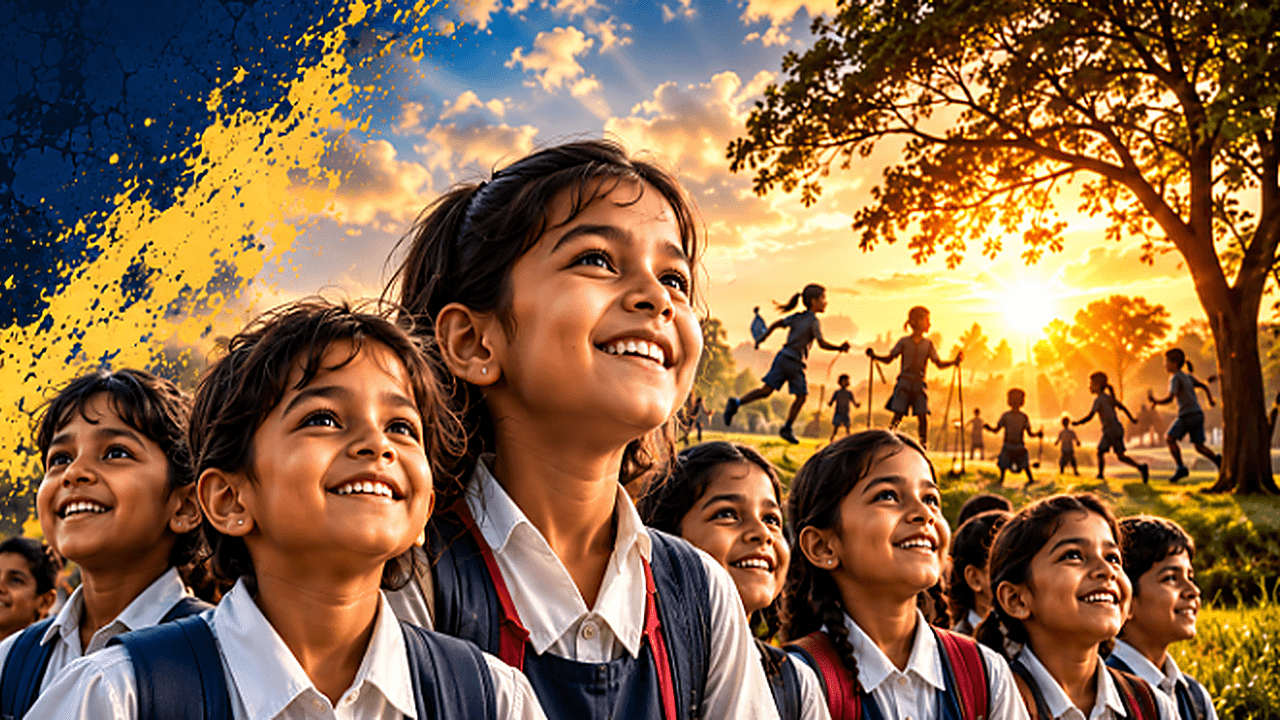
Every child has an inherent right to safety, nutrition, quality education, and protection from harm. Building a brighter future requires active vigilance, community awareness, and strict enforcement of child protection laws.
1. The Rights Every Child Holds
Children in India hold a full charter of rights guaranteed by the Constitution: the right to life, dignity, equality, and protection against discrimination. The guiding principle is universal: the best interests of the child must always come first - ahead of convenience, custom, or cost.
A child is a recognized rights-holder, entitled to education, healthcare, and an environment free from exploitation, abuse, and neglect.
2. Key Legal Protections in India
Several landmark statutes establish the framework for child protection across the country:
- 1
Right to Free and Compulsory Education (RTE) Act, 2009
- 2
Protection of Children from Sexual Offences (POCSO) Act, 2012
- 3
Child Labour (Prohibition and Regulation) Amendment Act, 2016
- 4
Juvenile Justice (Care and Protection of Children) Act, 2015
3. Why Protection Begins Locally
National legislation establishes standards, but child safety is decided in everyday spaces: in classrooms where teachers notice distress, in anganwadis where nutrition is tracked, and in neighborhoods where adults choose to look out for vulnerable children.
A community educated on the POCSO framework, Childline 1098, and Child Welfare Committees can intervene early and prevent harm before it escalates.
4. Voices of Change
“Learning about our rights in school made us feel safe and heard. We know who to reach out to if someone needs help.”

“When parents and teachers collaborate with legal aid networks, we create an invisible shield of safety around our children.”
5. What Communities Can Do
- 1
Learn to recognize early behavioral signs of trauma or distress
- 2
Keep the Childline 1098 emergency helpline visible across schools and markets
- 3
Active participation in School Management Committees (SMCs)
- 4
Enforce zero tolerance for child labour in domestic and commercial premises
Protect Every Child's Future
Partner with HRSJM to conduct child rights awareness sessions and support child protection helplines in your area.