
Understanding Your Right to Information (RTI)
A practical guide to filing RTI applications and using transparency as a tool for everyday accountability.
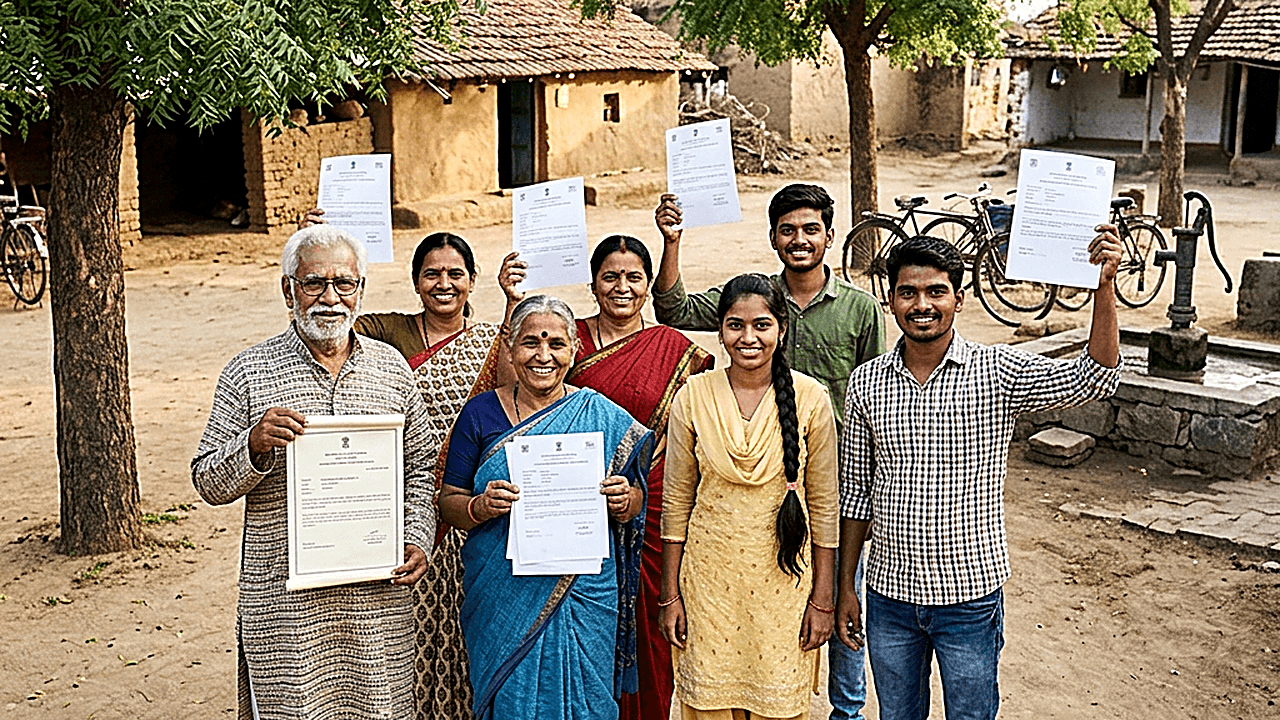
The Right to Information (RTI) empowers every citizen to ask questions, seek information held by public authorities, and hold government institutions accountable. It is a powerful law that promotes transparency, reduces corruption and strengthens democracy.
1. What is the Right to Information (RTI)?
The Right to Information Act, 2005 gives every citizen the legal right to access information held by public authorities. It helps in promoting transparency, accountability and good governance by allowing citizens to know how decisions are made, how public money is spent, and how government programs are implemented.
2. Who Can File an RTI Application?
Any Indian citizen can file an RTI application. There is no need to give a reason for requesting information. The law applies to all government departments, public sector undertakings, local bodies and any organization substantially funded by the government.
3. How to File an RTI Application?
You can file an RTI application in a simple format either online or offline. Here's how:
- 1
Identify the Public Information Officer (PIO) of the concerned department.
- 2
Write a clear and specific request for the information you need.
- 3
Pay the prescribed application fee (usually ₹10).
- 4
Submit your application online (through the RTI portal) or by post/in person.
4. Response Timeline
The public authority must respond within 30 days of receiving your application. If the information concerns the life or liberty of a person, the response must be given within 48 hours. If the application is transferred to another department, you will be informed within 5 days.
5. What to Do If Information is Denied?
If you do not receive a response within the given time or if the information is denied, you can file a First Appeal within 30 days to the senior officer in the department. If you are still not satisfied, you can file a Second Appeal with the Central or State Information Commission.
6. Why RTI Matters?
RTI is a powerful tool in the hands of ordinary citizens. It helps in ensuring better public services, exposes irregularities and empowers communities to demand their rights. By using RTI, we can build a more transparent, accountable and inclusive society.
Let's Build a More Transparent India
Awareness and active participation can create real change. Learn more about your rights and how you can use RTI to make a difference in your community.