Strengthening Fundamental Rights in a Changing India
An in-depth look at recent developments in constitutional protections, judicial rulings and the importance of community-centered action.
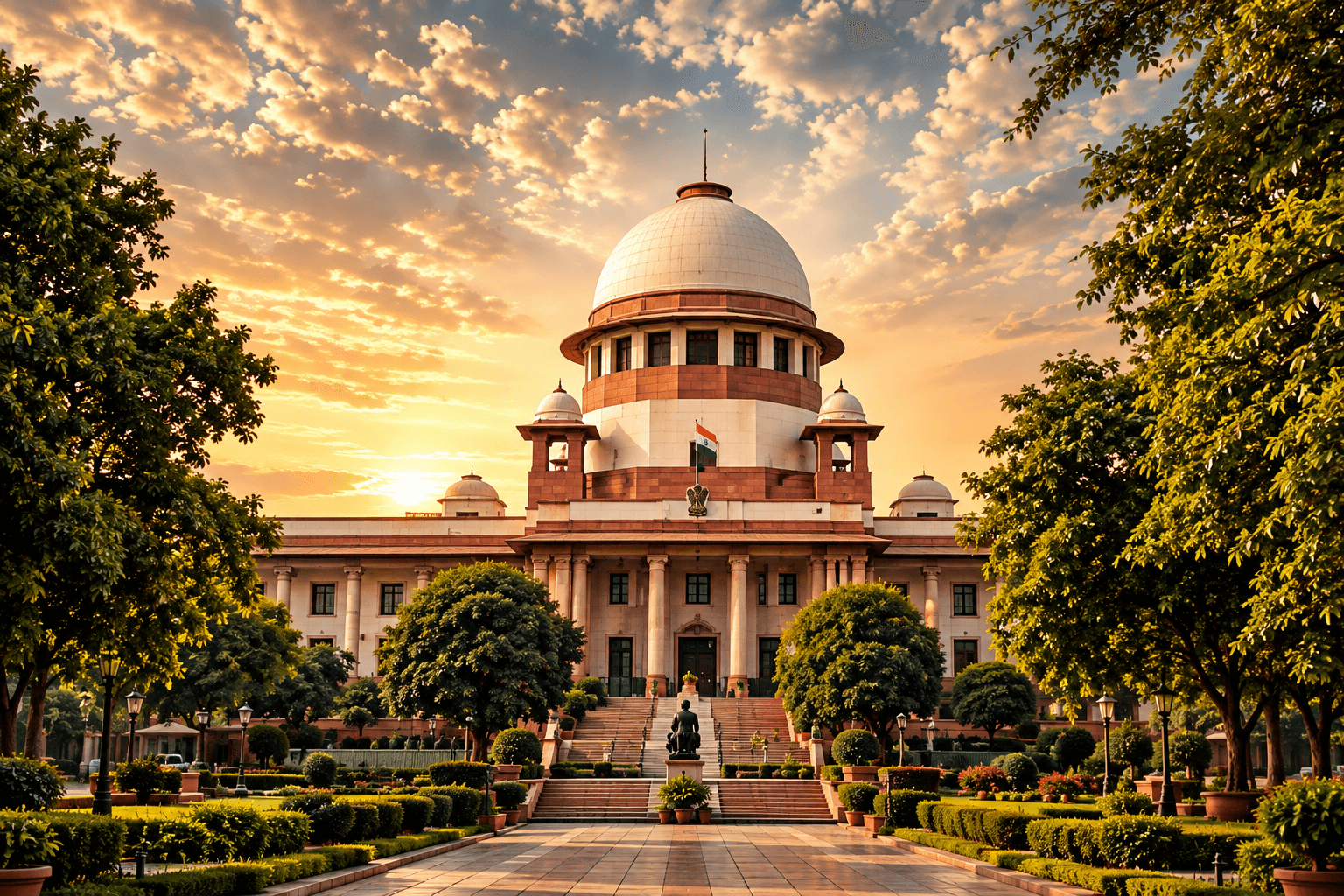
India's Constitution opens with a promise: justice, liberty, equality and dignity for every citizen. Fundamental Rights are the backbone of that promise - guarantees that protect us in our homes, workplaces, classrooms and courtrooms.
1. Understanding Fundamental Rights
The Constitution groups Fundamental Rights into broad protections: equality before the law; freedoms of speech, expression, assembly and movement; protection from exploitation; freedom of religion; and cultural and educational rights. Standing behind them all is the right to constitutional remedies under Article 32.
2. Key Constitutional Protections
Fundamental rights are enforceable guarantees directly actionable before High Courts and the Supreme Court:
- 1
Right to Equality (Articles 14–18) - Non-discrimination and equal opportunity
- 2
Right to Freedom (Articles 19–22) - Speech, peaceful assembly, and personal liberty
- 3
Right against Exploitation (Articles 23–24) - Prohibition of forced and child labour
- 4
Right to Constitutional Remedies (Article 32) - Direct access to the highest court
3. Human Rights in Everyday Life
Rights matter most in ordinary moments: a child staying in school, a worker paid fairly, a family accessing public services without discrimination, and a citizen raising a question with officials and being heard with respect.
4. Voices for Constitutional Dignity
“Constitutional protections remain theoretical until ordinary citizens know how to invoke them without fear.”
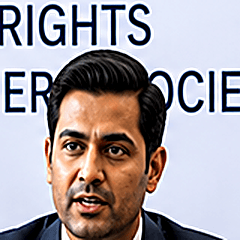
“When communities understand Article 21, they begin demanding healthcare, clean water and fair wages as legal rights, not charity.”
5. What Citizens Can Do
Citizens play an active role in keeping constitutional protections alive across communities:
- 1
Educate yourself and your family about basic fundamental freedoms
- 2
Utilize statutory tools like the RTI Act and grievance redressal portals
- 3
Support free legal aid clinics and community rights workshops
- 4
Speak up peacefully against arbitrary actions and discrimination
6. The Road Ahead
Fundamental rights are India's shared inheritance - and a shared responsibility. As society changes, the work of defending dignity, equality and justice changes with it. HRSJM remains committed to walking alongside communities across the nation.
Stand for Constitutional Justice
Join our legal literacy and human rights advocacy initiatives to protect and strengthen constitutional freedoms.