


Introduction
In today’s digital world, almost every aspect of our lives is connected to the internet. From online banking and shopping to social media, healthcare, education, and government services, we continuously share personal information online. While technology has made life more convenient, it has also increased the risk of cybercrime, identity theft, data breaches, online scams, and unauthorized surveillance.
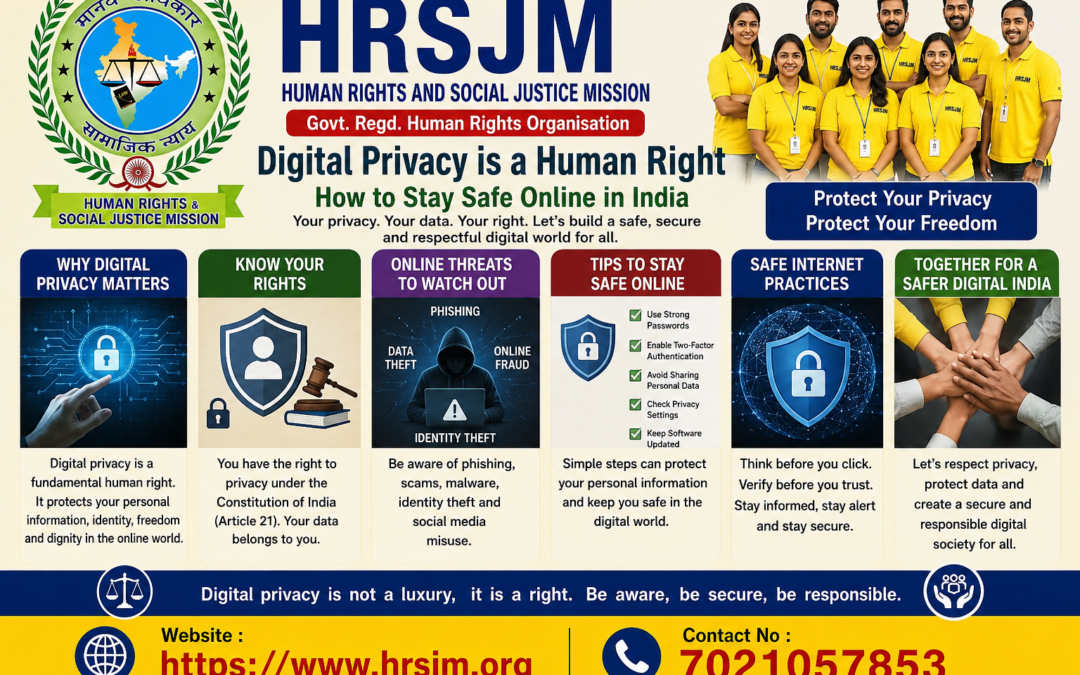
Digital privacy is no longer just a technology issue—it is a fundamental human right. Every individual deserves the right to control how their personal information is collected, stored, used, and shared. Protecting digital privacy helps safeguard personal freedom, dignity, and security in an increasingly connected world.
In this blog, we’ll explore why Digital Privacy Rights in India matter, the legal framework that protects citizens, common online threats, and practical steps everyone can take to stay safe online.
What is Digital Privacy?
Digital privacy refers to an individual’s right to keep personal information secure while using digital devices and online platforms. It includes protecting sensitive information such as:
- Personal identity
- Mobile number
- Aadhaar details
- PAN information
- Banking credentials
- Medical records
- Email accounts
- Social media activity
- Location data
- Passwords and login details
Every person has the right to decide who can access this information and for what purpose.
Why Digital Privacy is a Human Right
Privacy is closely connected to several fundamental human rights, including dignity, freedom, equality, and personal security. Without privacy, people may hesitate to express their opinions, access information, or participate freely in society.
Digital privacy supports:
- Freedom of expression
- Protection against identity theft
- Financial security
- Personal safety
- Freedom from unlawful surveillance
- Safe access to online education and employment
As more services become digital, protecting privacy becomes essential for protecting human rights.
Common Online Threats in India
Millions of internet users face cyber risks every day. Some of the most common threats include:
Phishing Scams
Fraudsters send fake emails, SMS messages, or websites designed to steal passwords and banking information.
Identity Theft
Cybercriminals misuse personal information to open accounts, commit financial fraud, or impersonate individuals.
Data Breaches
Organizations sometimes experience security failures that expose customer data to unauthorized individuals.
Social Media Fraud
Fake profiles, online impersonation, romance scams, and misinformation continue to increase across social media platforms.
Malware and Ransomware
Malicious software can steal files, monitor activities, or lock devices until money is paid.
Digital Privacy Laws in India
India has introduced several legal measures to strengthen digital privacy and cyber security.
These include:
- Information Technology Act, 2000
- Digital Personal Data Protection Act
- CERT-In cyber security guidelines
- Indian Penal Code provisions related to cybercrime
These laws aim to protect personal data, improve cyber security, and encourage responsible handling of digital information by organizations and service providers.
Practical Tips to Stay Safe Online
Protecting your digital privacy starts with simple daily habits.
Use Strong Passwords
Create unique passwords for every online account and avoid using easily guessed information.
Enable Two-Factor Authentication
Adding an extra verification step significantly improves account security.
Avoid Clicking Suspicious Links
Always verify emails, SMS messages, and websites before entering personal information.
Update Software Regularly
Software updates often fix security vulnerabilities that hackers exploit.
Review Privacy Settings
Check the privacy settings on your social media accounts and mobile applications regularly.
Use Secure Wi-Fi
Avoid accessing banking or confidential information through unsecured public Wi-Fi networks.
Share Information Carefully
Think before posting personal details such as your home address, travel plans, financial information, or identity documents online.
Why Digital Awareness Matters
Many cybercrimes occur because users are unaware of online risks. Digital awareness empowers individuals to recognize scams, report suspicious activities, and make informed decisions while using the internet.
Schools, colleges, workplaces, community organizations, and families all have an important role in promoting responsible digital behavior.
Public awareness can reduce cybercrime and create a safer online environment for everyone.
The Role of Human Rights Organizations
Human rights organizations play a vital role in promoting digital privacy awareness by:
- Educating citizens about digital rights
- Conducting awareness campaigns
- Supporting victims of cyber abuse
- Encouraging responsible digital practices
- Advocating for stronger privacy protections
- Promoting equal access to secure digital services
Organizations like HRSJM can help bridge the gap between legal rights and public awareness by educating communities about safe internet practices and responsible digital citizenship.
Building a Safer Digital Future
As India continues its digital transformation, protecting personal data must remain a shared responsibility. Governments, technology companies, educational institutions, businesses, and individual users all contribute to building a safer digital ecosystem.
By respecting digital privacy, strengthening cyber security, and promoting awareness, we create an internet that protects freedom, dignity, and human rights for everyone.
Conclusion
Digital privacy is no longer optional—it is a basic human right that affects every internet user. Whether you use the internet for education, employment, banking, healthcare, or communication, protecting your personal information is essential.
By understanding Digital Privacy Rights in India, following safe online practices, and staying informed about cyber threats, individuals can reduce risks and enjoy the benefits of technology with greater confidence.
A secure digital future begins with awareness, responsible online behavior, and a collective commitment to protecting privacy for all.